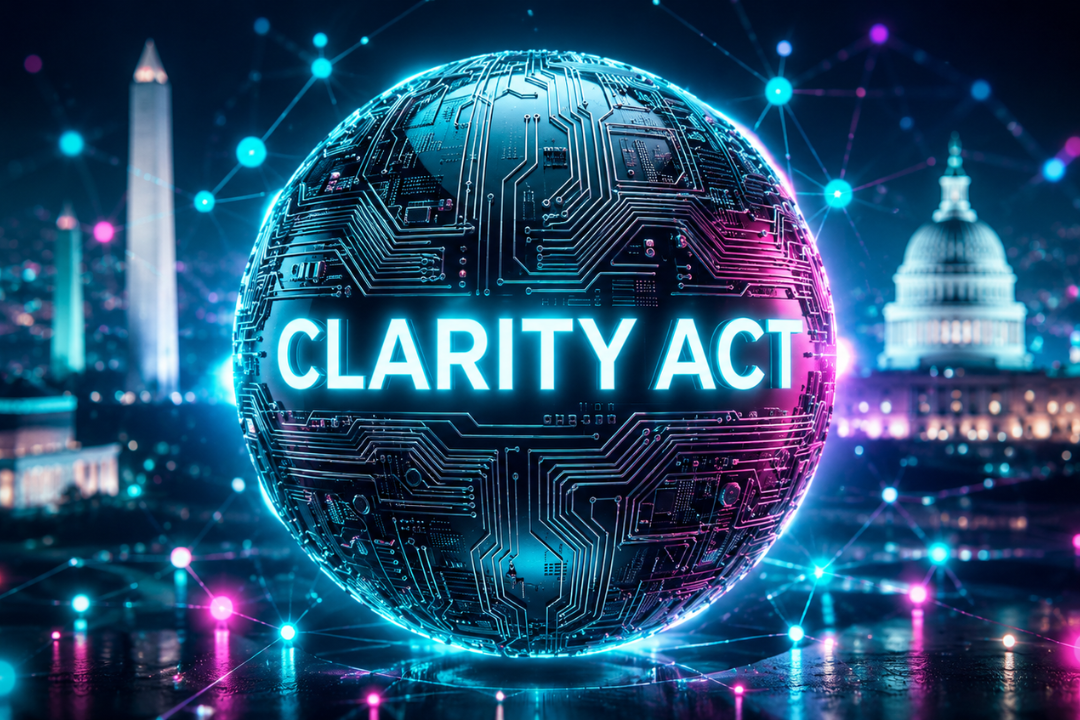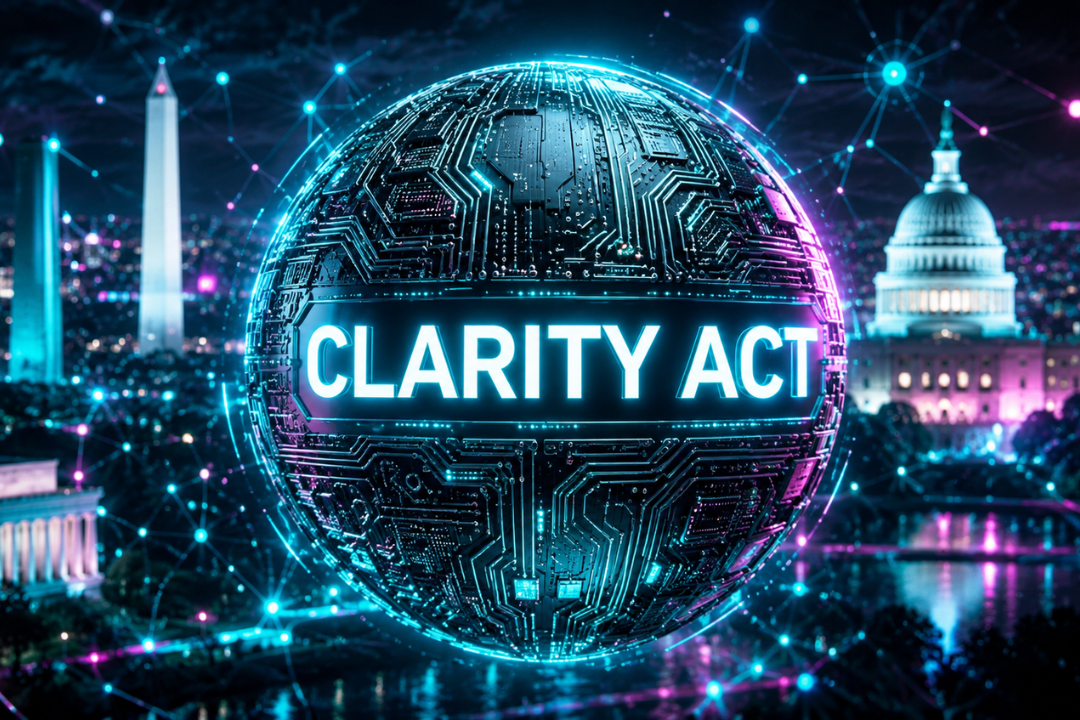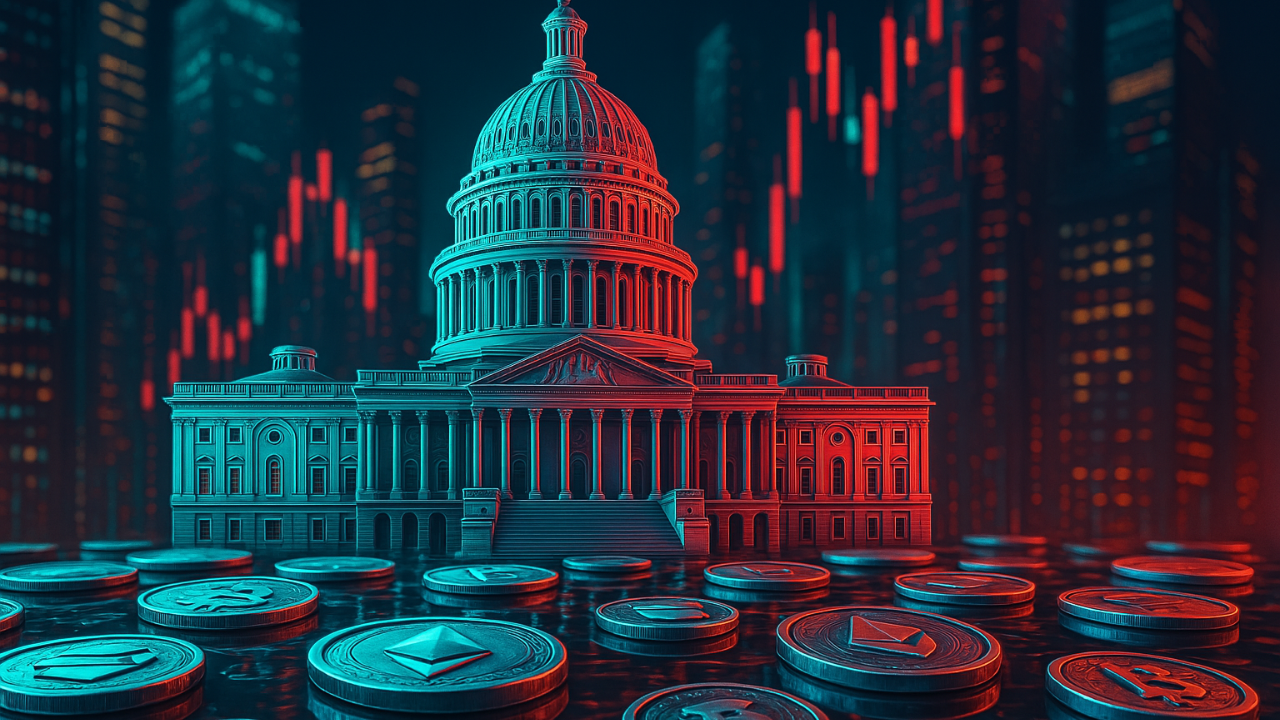


The Solana Institute has called on U.S. lawmakers to maintain critical provisions within the CLARITY Act as the legislation moves closer to Senate consideration.
Industry participants increasingly view the bill as one of the most important crypto market structure proposals currently advancing through Congress. At the center of the debate is whether blockchain developers, validators, and node operators should face the same regulatory treatment as financial institutions that directly handle customer funds.
Solana Institute Defends BRCA Provisions
Solana Institute President Kristin Smith recently urged senators to preserve the Blockchain Regulatory Certainty Act (BRCA) language embedded within the CLARITY Act.
According to Smith, the BRCA establishes a clear distinction between blockchain infrastructure providers and financial intermediaries.
Under the provision, non-custodial participants such as:
- Blockchain developers
- Node operators
- Network validators
- Open-source software contributors
would not be classified as money transmitters if they do not take custody of customer assets.
Smith argues that these participants merely provide software and infrastructure rather than directly controlling user funds.
Why the Debate Matters
The classification of blockchain participants has become a major regulatory issue in the United States.
Without legal clarity, developers and infrastructure operators could potentially face compliance obligations designed for traditional financial institutions.
Supporters of the BRCA language believe such treatment would create unnecessary legal risks and discourage innovation.
Smith noted that the proposed framework aligns with guidance previously issued by the U.S. Treasury Department’s Financial Crimes Enforcement Network (FinCEN), which has distinguished software providers from custodial financial service operators.
According to industry advocates, maintaining this distinction is critical for preserving open-source blockchain development within the United States.
Industry Leaders Rally Behind the Proposal
The Solana Institute is not alone in supporting the measure.
Smith stated that founders, executives, investors, and major organizations across the cryptocurrency industry have jointly encouraged Senate leadership to leave the BRCA language intact.
The industry’s primary concern is that removing or weakening the provision could create uncertainty for blockchain developers and infrastructure providers operating in the United States.
Supporters argue that legal certainty is necessary for innovation, investment, and long-term industry growth.
Senate Negotiations Continue
Although support remains strong within the crypto industry, lawmakers continue debating several elements of the legislation.
Smith revealed that BRCA provisions were recently discussed during a White House meeting involving law enforcement officials and policymakers.
Participants reportedly examined potential revisions and enforcement considerations.
In addition to BRCA-related discussions, lawmakers continue negotiating:
- Ethics provisions
- Stablecoin regulations
- Anti-money laundering requirements
- DeFi oversight measures
- Validator and node operator treatment
Several outstanding issues must still be resolved before the legislation can advance.
CLARITY Act Timeline Shifts Toward August
Recent reports suggest that procedural hurdles may delay the bill longer than originally expected.
Earlier optimism surrounding a July 4 signing deadline has faded as lawmakers work through the legislative process.
According to reports cited by crypto journalist Eleanor Terrett, several major steps remain:
- Senate Banking and Agriculture Committee versions must be reconciled.
- The bill must secure at least 60 Senate votes to advance.
- Multiple cloture votes may be required.
- Amendments must be debated and approved.
- Final Senate approval must occur before returning to the House.
As a result, many observers now view the August congressional recess as a more realistic target.
What the CLARITY Act Would Do
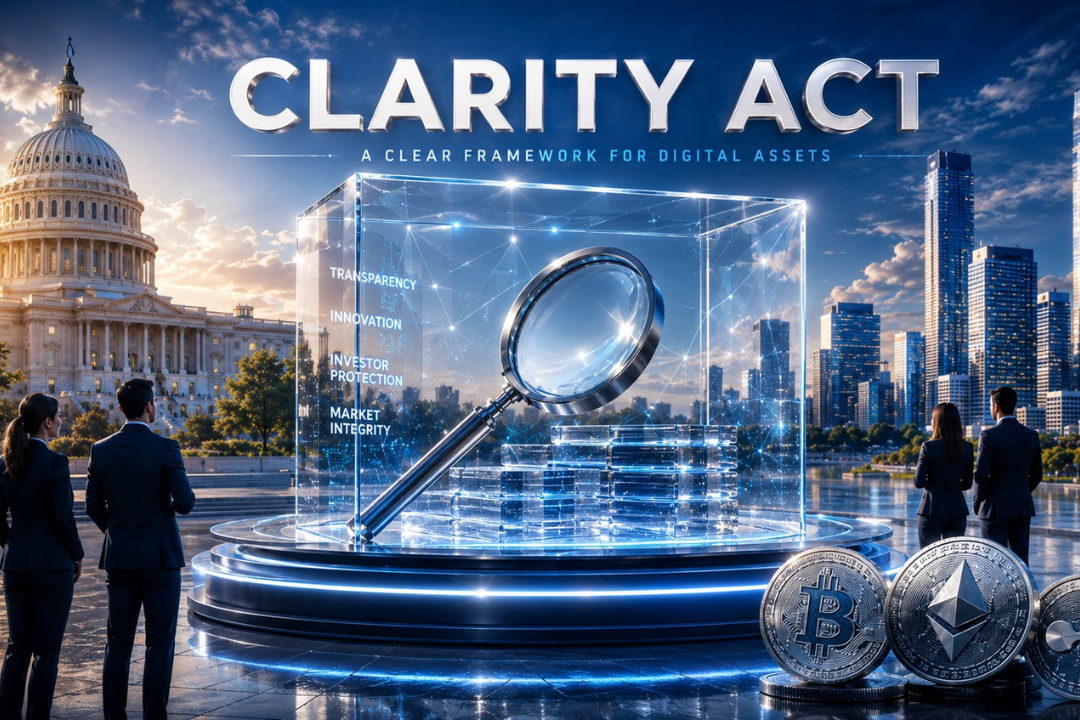
The CLARITY Act aims to establish a comprehensive regulatory framework for digital assets in the United States.
Among its key provisions:
Clear Regulatory Jurisdiction
The bill would define whether digital assets fall under securities or commodities regulation.
CFTC Oversight
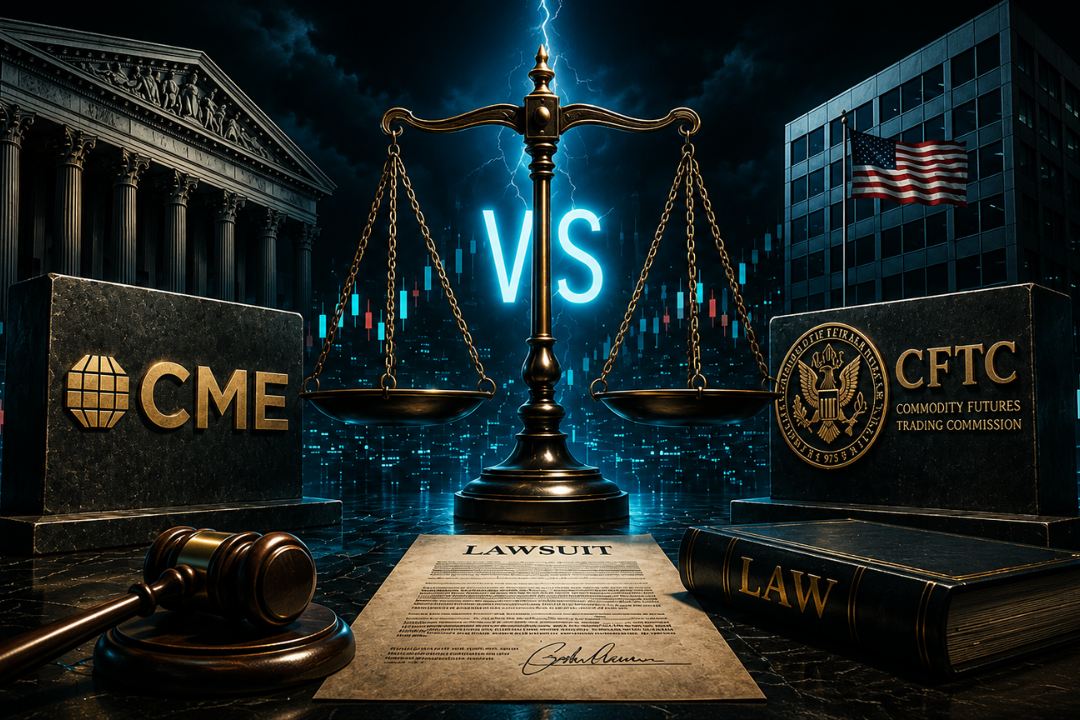
Decentralized cryptocurrencies such as Bitcoin and Ethereum would generally fall under the supervision of the Commodity Futures Trading Commission (CFTC).
Securities Regulation
Assets meeting securities criteria would remain subject to securities laws and oversight.
Stablecoin Framework
The legislation includes rules governing stablecoin issuance and operations.
DeFi and Validator Provisions
The bill addresses decentralized finance activity and clarifies the legal treatment of validators and network operators.
Supporters believe these measures would provide long-awaited certainty for digital asset businesses and investors.
Global Competition Adds Pressure
Smith also highlighted the growing international competition for blockchain talent and innovation.
According to the Solana Institute, the United States accounted for approximately 38% of global open-source crypto developers in 2015. Today, that figure has reportedly fallen to around 19%.
Meanwhile, jurisdictions including:
- Singapore
- Abu Dhabi
- Hong Kong
- United Arab Emirates
continue introducing crypto-friendly regulatory frameworks aimed at attracting blockchain companies and developers.
Smith warned that regulatory uncertainty could accelerate the migration of talent and innovation away from the United States.
Industry Watches Senate Decision
The coming weeks could prove critical for the future of U.S. crypto regulation.
As the Senate prepares to review the CLARITY Act, industry groups are intensifying efforts to preserve protections they believe are essential for blockchain development.
Supporters argue that maintaining the BRCA language will provide legal certainty for developers, validators, and node operators while helping the United States remain competitive in the rapidly evolving digital asset industry.
With legislative negotiations ongoing and procedural challenges still ahead, the final shape of the CLARITY Act remains uncertain. However, the debate underscores the growing importance of establishing clear rules for the blockchain economy as digital assets continue moving deeper into mainstream finance.