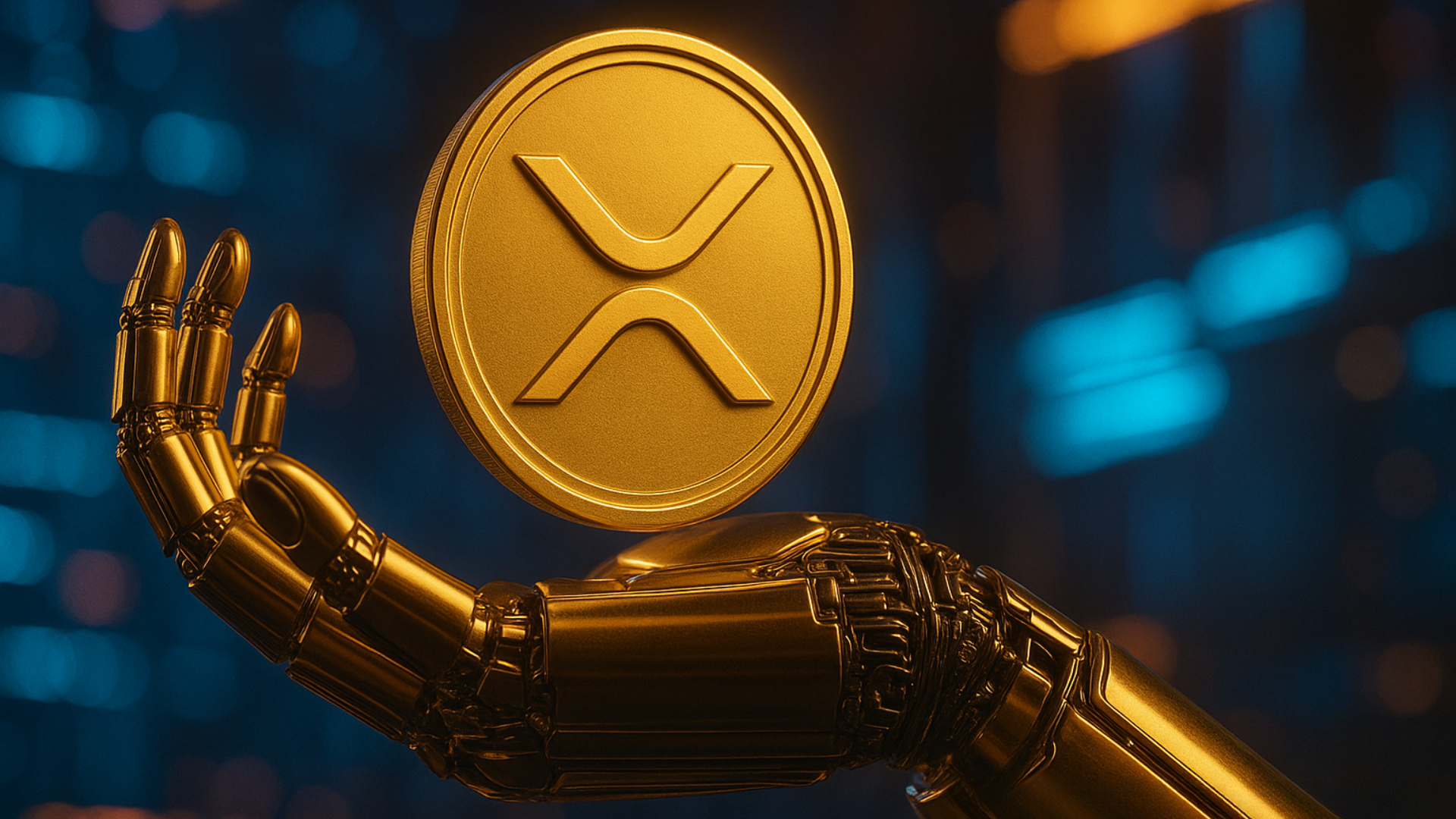

Ripple’s 2026 has been filled with achievements that many crypto companies would envy. Regulatory approvals, stablecoin expansion, banking licenses, growing institutional partnerships, and major XRP Ledger upgrades have positioned the company as one of the strongest players in digital finance.
Yet despite these accomplishments, XRP continues to underperform.
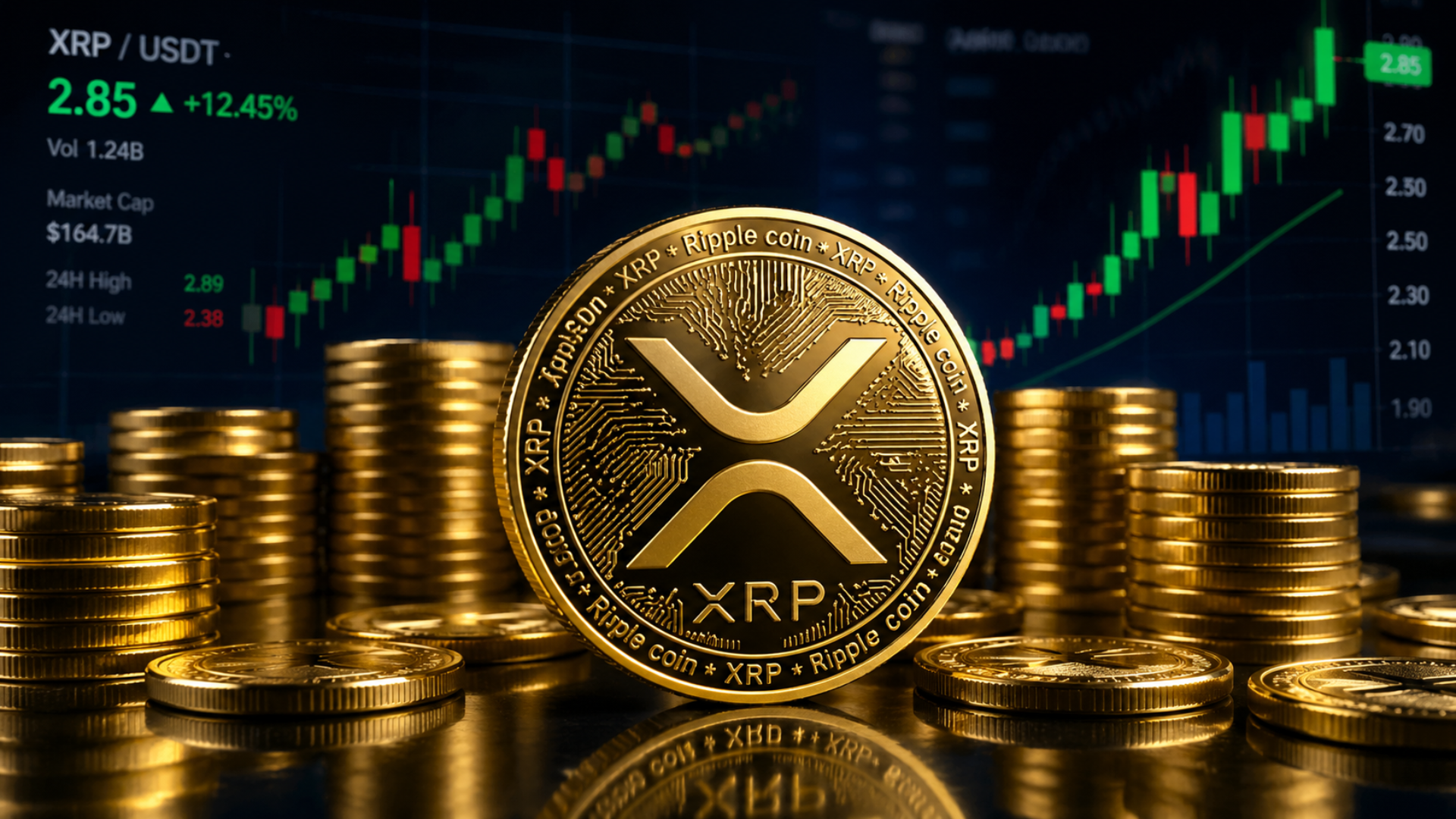
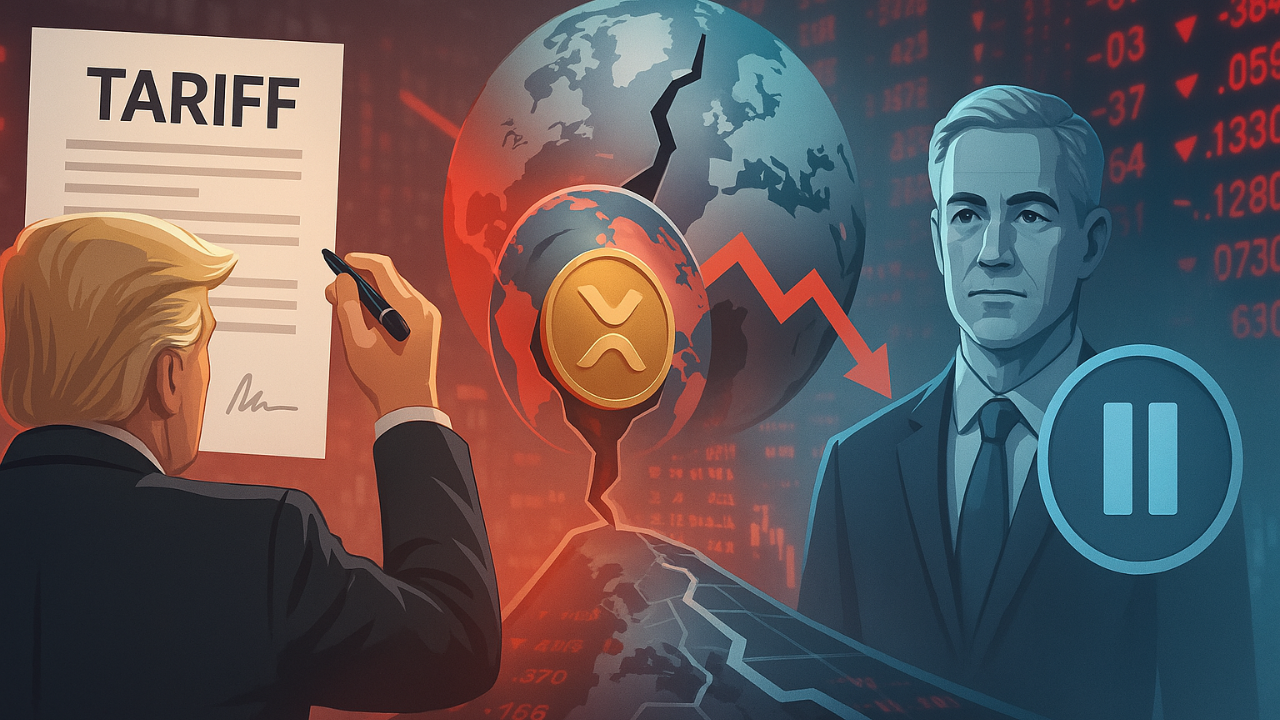
While Ripple celebrates milestones across multiple jurisdictions, XRP has lost nearly half of its value this year and remains stuck in a prolonged downtrend. The disconnect has left many investors asking a simple question: if Ripple is winning, why isn’t XRP benefiting?
The answer lies in the growing separation between Ripple’s corporate success and the token’s actual demand dynamics.
Ripple’s Strongest Year Yet
On the business side, Ripple has rarely looked stronger.
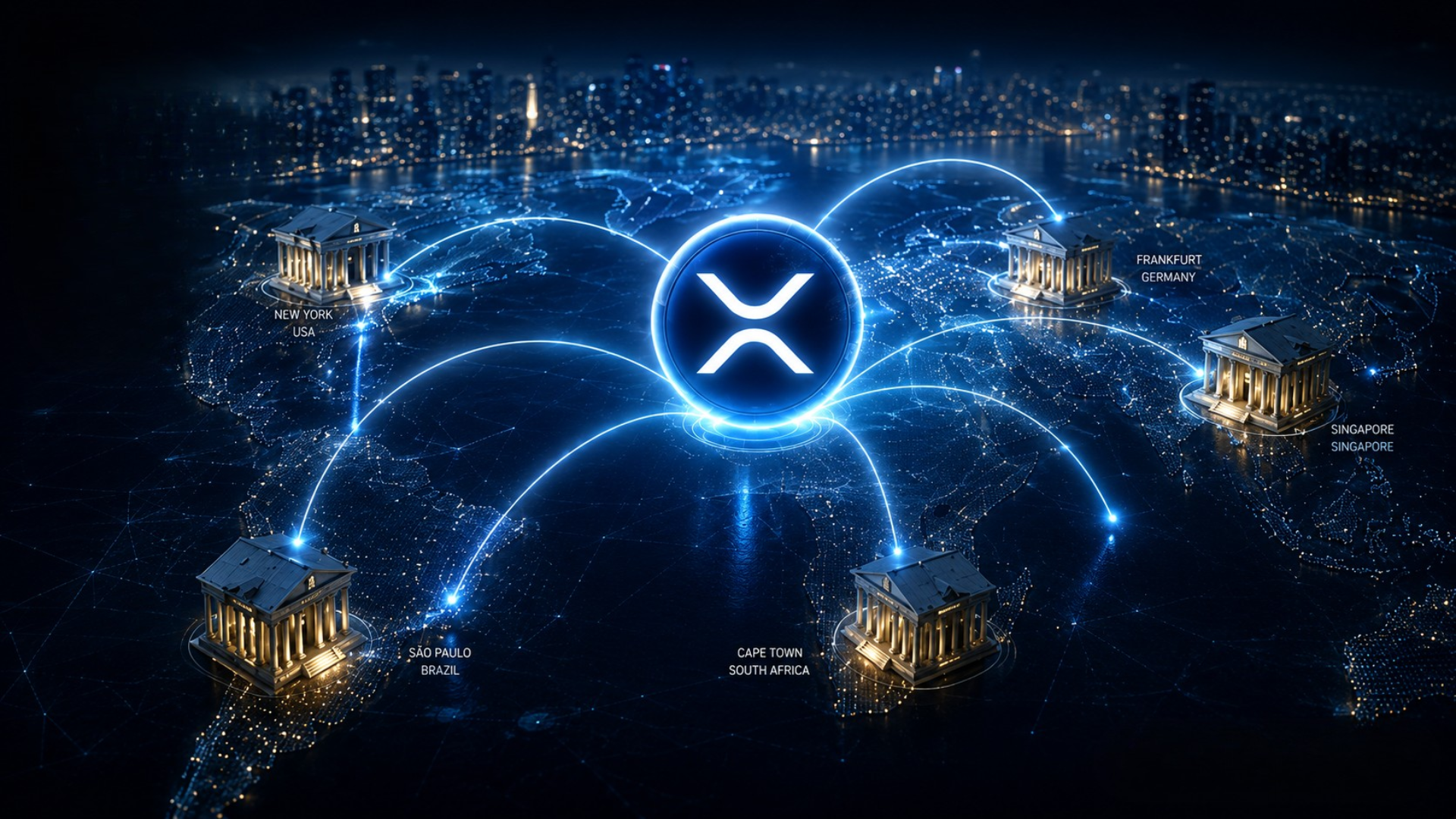
The company secured conditional approval for a national trust bank charter from U.S. regulators, expanded RLUSD stablecoin operations throughout Europe, strengthened its presence in the Middle East, and continued building institutional-grade infrastructure across multiple markets.
Some of Ripple’s major achievements include:
- National trust bank approval pathway in the United States
- RLUSD expansion across Europe under MiCA regulations
- Regulatory progress in the UK, Luxembourg, Switzerland, and the UAE
- Growing adoption of the RLUSD stablecoin
- XRP Ledger upgrades and performance improvements
- Expansion of the XRPL EVM sidechain ecosystem
- Development of native lending and vault infrastructure
From a corporate perspective, Ripple appears to be executing one of the most ambitious growth strategies in crypto.
However, none of these developments automatically create demand for XRP itself.
XRP Is Not Ripple Stock
One of the biggest misconceptions among investors is treating XRP as if it were Ripple equity.
The reality is much different.
Owning XRP does not provide:
- Ownership in Ripple
- Rights to company profits
- Exposure to RLUSD revenue
- Dividend payments
- Claims on banking operations
Ripple’s licenses, partnerships, and business expansion primarily benefit Ripple as a company, not XRP holders directly.
This distinction has become increasingly important as Ripple’s business grows beyond the original use cases that once supported XRP’s valuation.
While company success can indirectly support ecosystem growth, there is no guaranteed mechanism forcing corporate achievements to translate into token demand.
Supply Pressure Remains a Major Challenge
Even as Ripple expands globally, XRP faces a supply issue that continues to weigh on price.
The company’s escrow system releases up to one billion XRP each month. Although much of the released supply is re-locked, the process creates ongoing concerns among investors.
The market continues to view Ripple as one of the largest potential sellers of XRP.
At the same time, on-chain data has shown significant whale activity throughout recent months. Large holders have consistently sold into rallies, limiting bullish momentum whenever XRP attempts to recover.
This creates a difficult environment for price appreciation because new demand must constantly absorb existing supply.
In simple terms:
- Corporate wins increase confidence.
- Supply pressure limits price gains.
Until demand significantly exceeds available supply, XRP faces an uphill battle.
RLUSD Changes the Original XRP Narrative
Perhaps the most significant shift in Ripple’s ecosystem is the rise of RLUSD.
For years, XRP’s primary investment thesis centered around its role as a bridge asset for international payments.
The idea was straightforward:
Financial institutions could use XRP to transfer value across borders faster and more efficiently than traditional banking systems.
Today, RLUSD offers many of the same advantages:
- Fast settlement
- Regulatory compliance
- Reduced volatility
- Global transfer capabilities
From an institutional perspective, stablecoins often provide a simpler solution than holding a volatile digital asset.
This doesn’t mean XRP has become obsolete.
XRP still serves important functions within the XRP Ledger ecosystem, including:
- Liquidity provision
- Transaction fees
- Decentralized exchange activity
- Collateral use cases
- Specialized payment corridors
However, RLUSD has undeniably reduced the scale of XRP’s original bridge-asset narrative.
ETF Demand Has Been Disappointing
Many investors expected XRP exchange-traded funds to become a major catalyst.
While ETF approvals represented a significant milestone, demand has been far weaker than many anticipated.
Unlike Bitcoin, which benefited from massive institutional inflows, XRP ETFs have experienced relatively modest participation.
Several factors explain this:
- Institutions remain cautious toward altcoins.
- Price momentum has been weak.
- Ongoing supply concerns remain unresolved.
- Broader crypto market sentiment has deteriorated.
ETF access alone does not guarantee demand.
Investors still need a compelling reason to allocate capital, and many institutions continue to prioritize Bitcoin over alternative digital assets.
Market Conditions Have Made Things Worse
XRP’s struggles have not occurred in isolation.
The broader crypto market has experienced substantial selling pressure throughout 2026.
Several factors have contributed:
- Persistent Bitcoin ETF outflows
- High interest rates
- Inflation concerns
- Geopolitical uncertainty
- Reduced risk appetite
As a high-beta cryptocurrency, XRP tends to experience amplified moves during market downturns.
When broader crypto markets weaken, XRP often falls harder because of its existing supply pressures and speculative trading structure.
This combination has intensified the divergence between Ripple’s corporate achievements and XRP’s market performance.
What Could Reconnect Ripple and XRP?
Despite the challenges, several developments could eventually create stronger links between Ripple’s success and XRP demand.
Native Lending and Vaults
Upcoming XRP Ledger upgrades could introduce lending and yield-generating opportunities.
If significant amounts of XRP become locked inside lending protocols, available supply could decline.
Increased Network Activity
Higher transaction volumes could increase XRP burn rates over time.
While current burn levels remain relatively small, larger ecosystem growth could make this mechanism more meaningful.
Escrow Reform
Greater transparency around XRP releases could improve investor confidence and reduce long-standing concerns about supply pressure.
Stronger ETF Adoption
If market sentiment improves and institutional demand increases, ETF inflows could become a meaningful source of buying pressure.
These mechanisms differ from corporate announcements because they create direct demand for XRP itself.
The Real Story Behind the Divergence
The gap between Ripple and XRP is not necessarily a sign that either is failing.
Instead, it reflects a market increasingly focused on fundamentals.
Ripple’s business achievements have strengthened the company, but XRP’s value depends on token-specific demand drivers.
Investors are no longer rewarding headlines alone.
They want evidence that:
- More XRP is being used.
- More XRP is being locked.
- More XRP is being purchased.
- Less XRP is entering circulation.
Until those mechanisms become stronger, Ripple’s victories may continue benefiting the company more than the token.
Final Thoughts
Ripple’s success and XRP’s weakness can both be true at the same time.
The company has built one of the most impressive regulatory and institutional infrastructures in the crypto industry. However, XRP still faces significant challenges, including supply pressure, evolving payment narratives, and inconsistent institutional demand.
The future of XRP will likely depend less on press releases and more on whether upcoming ecosystem developments create sustainable, measurable demand for the token itself.
For now, Ripple continues to expand globally while XRP searches for the catalyst that can finally reconnect the company’s achievements with the token’s price performance.