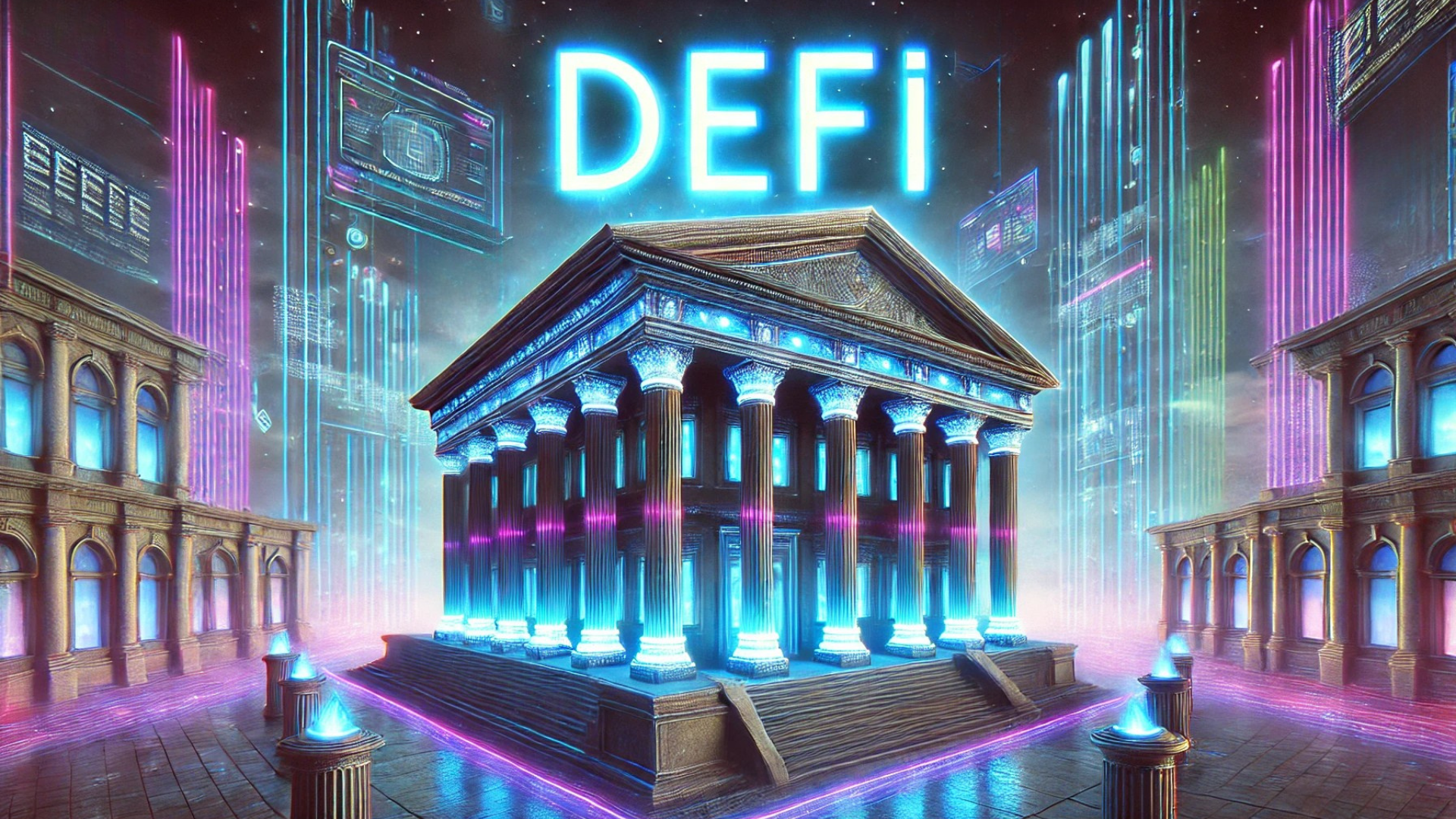


For years, traditional finance (TradFi) and decentralized finance (DeFi) were seen as opposites. One relied on regulation, scale, and trust built over decades. The other promised transparency, permissionless innovation, and composable infrastructure. But the idea that one has to replace the other? That’s outdated.
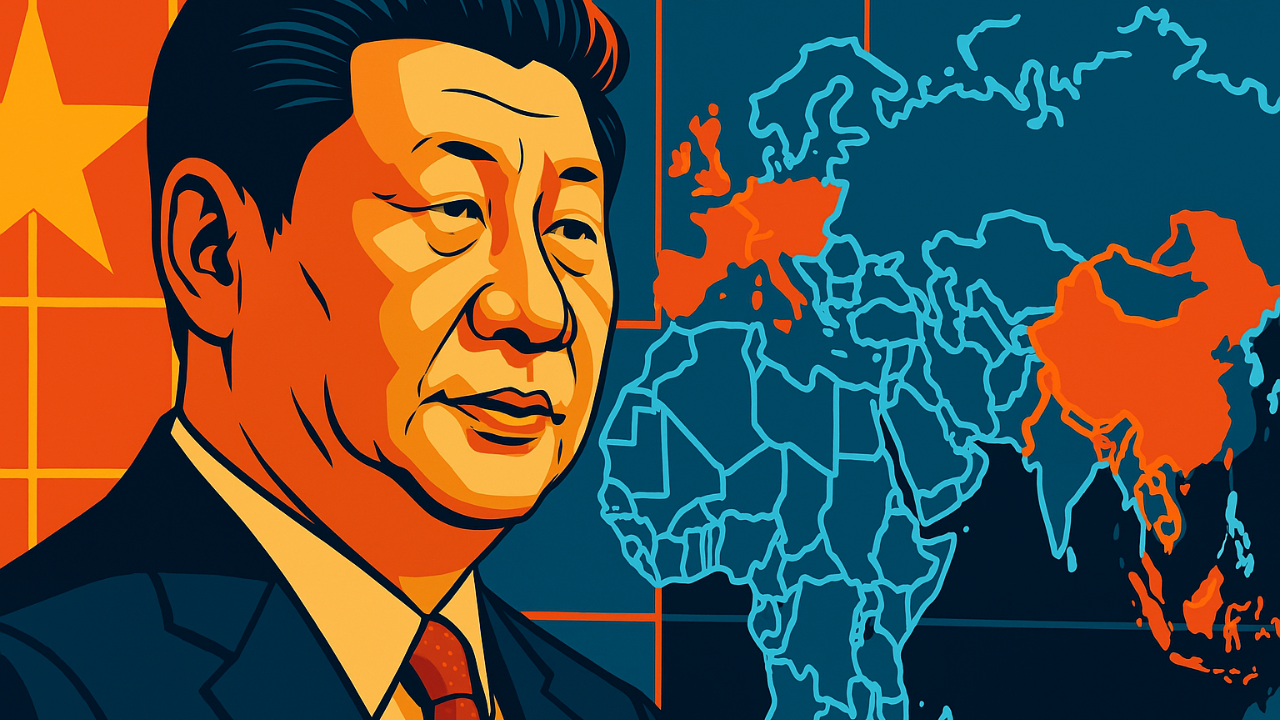
In reality, we’re watching a quiet but powerful convergence unfold. Institutions like BlackRock are now experimenting with tokenized funds on public blockchains. Across Asia and Europe, regulators are laying the groundwork to integrate DeFi into traditional financial infrastructure. In East Asia alone, over two-thirds of on-chain activity is now driven by institutional players not retail traders. That’s a clear sign: DeFi’s next evolution depends on regulatory clarity, real-world utility, and standardized risk practices.
Why DeFi Still Feels Out of Reach
DeFi has achieved incredible things but it’s still not ready for mass adoption.
Much of it is still built by developers, for developers. Interfaces can be clunky, onboarding is complicated, and users are often left confused. From dealing with wallets, bridging assets, navigating gas fees, or even just trying to withdraw crypto DeFi can be a maze.
Security hasn’t helped either. In 2024 alone, over $2.2 billion was lost to hacks and exploits. That kind of risk makes it hard for institutions or everyday users to fully trust the ecosystem. But there’s hope: new regulatory discussions, like the U.S. Senate’s GENIUS Act and SEC remarks on DeFi compliance, show that frameworks are beginning to take shape.
The truth is: DeFi can’t scale on its own. It needs infrastructure, trust, and legal clarity things TradFi has spent decades building. To unlock its full potential, DeFi must partner with, not replace, traditional systems.
When TradFi Meets Programmable Money
We’ve seen this play out before.
Centralized exchanges like Binance succeeded because they made crypto accessible. Today, Binance has over 275 million users. That’s not because of decentralization it’s because of good UX.
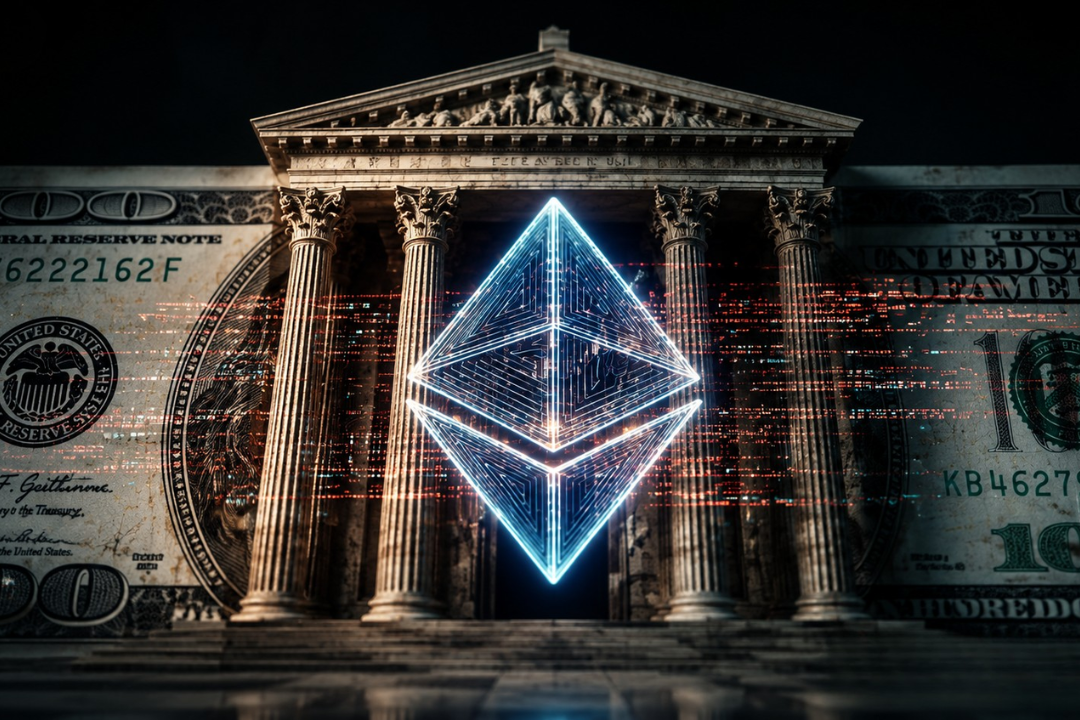
We’re seeing the same logic drive the next generation of finance. Take BlackRock’s BUIDL fund: it raised $245 million in tokenized shares on Ethereum in just one week. That’s not DeFi standing alone; it’s DeFi powered by TradFi’s reputation and rails.
This isn’t a compromise. It’s a strategic realignment. TradFi brings scale, compliance, and regulation. DeFi brings innovation, programmability, and global reach. Together, they create something far more sustainable.
Invisible Tech, Real Impact
The most powerful technologies are the ones you don’t even notice. Think about plumbing you don’t see it, but your life depends on it. The same should be true for financial infrastructure.
That’s the idea behind UR, a smart money app that blends stablecoins and fiat into one seamless, on-chain account. It makes blockchain invisible letting users spend, save, and move money without thinking twice about what’s powering it.
UR isn’t just a product. It’s part of a larger structural shift: a world where you don’t need to choose between stablecoins and dollars, or between decentralization and compliance. You get both. Because the lines are already blurring.
Institutions Aren’t Just Watching They’re Building
Crypto isn’t a sideshow anymore. Governments are rolling out policies, tax incentives, and legal recognition. Banks are testing stablecoin issuance. The question is no longer if crypto becomes part of the financial system it’s who will shape that transformation.
To succeed, DeFi needs to deliver tools that:
- Work within regulatory boundaries
- Make sense to institutions
- Feel intuitive for everyday users
That doesn’t mean giving up on decentralization. It means building better ways to deliver it.
DeFi’s Future Is Embedded, Not Rebellious
If DeFi wants to matter, it has to become invisible embedded into the apps, cards, wallets, and tools people already use. Just like the early internet faded into the background, DeFi will integrate into finance quietly, through real utility.
This isn’t about DeFi bowing to TradFi. It’s about rewriting the entire financial stack modular, programmable, secure, and accessible.
The winners will be those who build full-loop systems: products that abstract complexity without sacrificing control. Builders who design for the millions who haven’t entered the space yet.
Conclusion: Not a Parallel System A Unified One
The next chapter of finance won’t be a war between old and new. It’ll be a fusion. A reimagined financial world that combines the open principles of DeFi with the trust, clarity, and usability of traditional systems.
To get there, we must build not just for crypto-native users but for everyone.
Finance isn’t being disrupted. It’s being redefined.