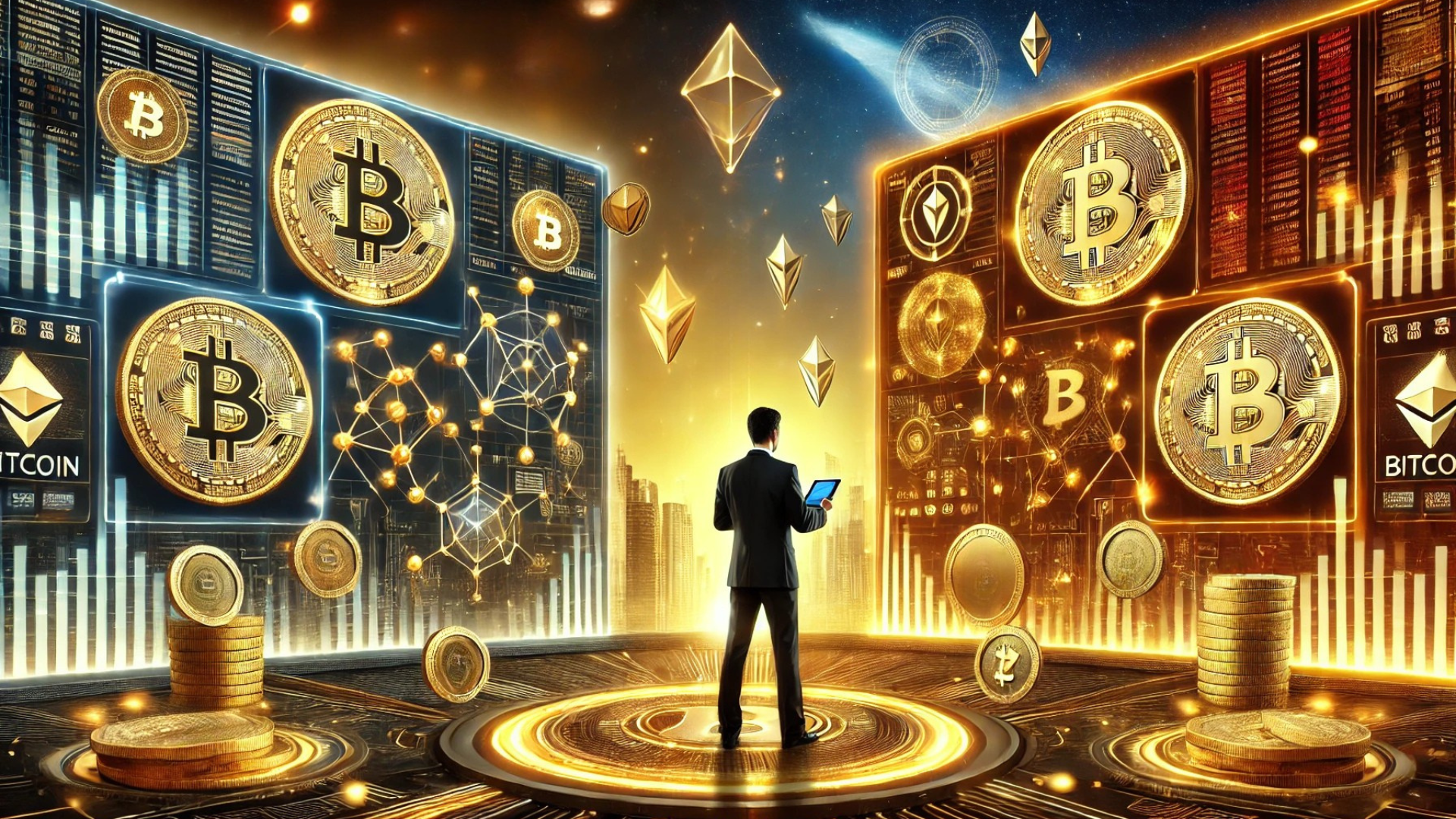


The DFINITY Foundation has announced a major update to Internet Computer’s tokenomics, introducing a revenue-funded burn mechanism and shifting node rewards toward a usage-based model.
The move aims to better align token supply with real network demand while incentivizing infrastructure operators based on actual compute usage.
20% of Revenue to Fund ICP Token Burns
Under the updated framework:
- 80% of revenue generated by Internet Computer cloud engines will go to node providers.
- 20% will be used to purchase and burn ICP tokens.
This introduces a direct link between network adoption and token supply reduction. As compute demand increases, more revenue is generated, leading to higher token burns.
In simple terms, more usage could mean more ICP removed from circulation.
From Fixed Subsidies to Usage-Based Rewards
Previously, node providers received fixed payments for maintaining network operations, regardless of how much compute demand the network experienced.
The new model changes that.
Node compensation will now be tied directly to revenue generated from actual compute services. This means:
- Higher network activity → Higher revenue → Higher payouts to node operators
- Lower activity → Lower compensation
This shift aligns incentives more closely with real network performance instead of relying on fixed subsidies.
Why This Matters for Tokenomics
The updated model represents a structural change in how Internet Computer balances:
- Supply
- Demand
- Infrastructure incentives
By allocating a portion of revenue toward token burns, ICP introduces a mechanism that can reduce circulating supply as adoption grows.
At the same time, the majority of revenue continues to support node providers, encouraging capacity expansion and service reliability.
This dual structure is designed to:
- Reward infrastructure participants
- Control inflationary pressure
- Tie token economics directly to network utility
A Broader Industry Trend
Usage-based economic models are becoming more common across compute-focused blockchain networks.
Instead of relying heavily on token emissions to subsidize validators or node operators, projects are increasingly:
- Linking rewards to real activity
- Implementing fee-based burn mechanisms
- Reducing reliance on fixed inflation
This approach attempts to make token value more reflective of actual network demand rather than speculation alone.
What Happens Next?
Node provider associations have reportedly begun preparing to promote Internet Computer’s cloud engine services under the new framework.
If adoption accelerates, the burn mechanism could introduce a structural supply reduction over time. However, the long-term impact will depend on:
- Sustained compute demand
- Revenue growth
- Network competitiveness
The update marks a transition from a subsidy-driven model to a more demand-driven economic structure.