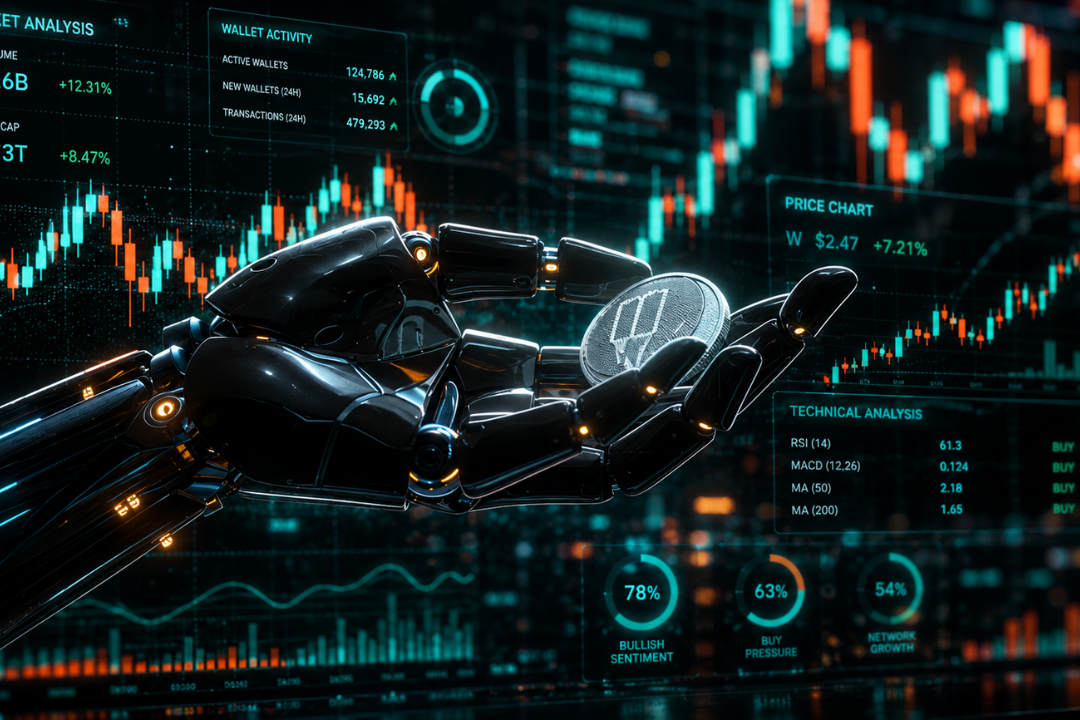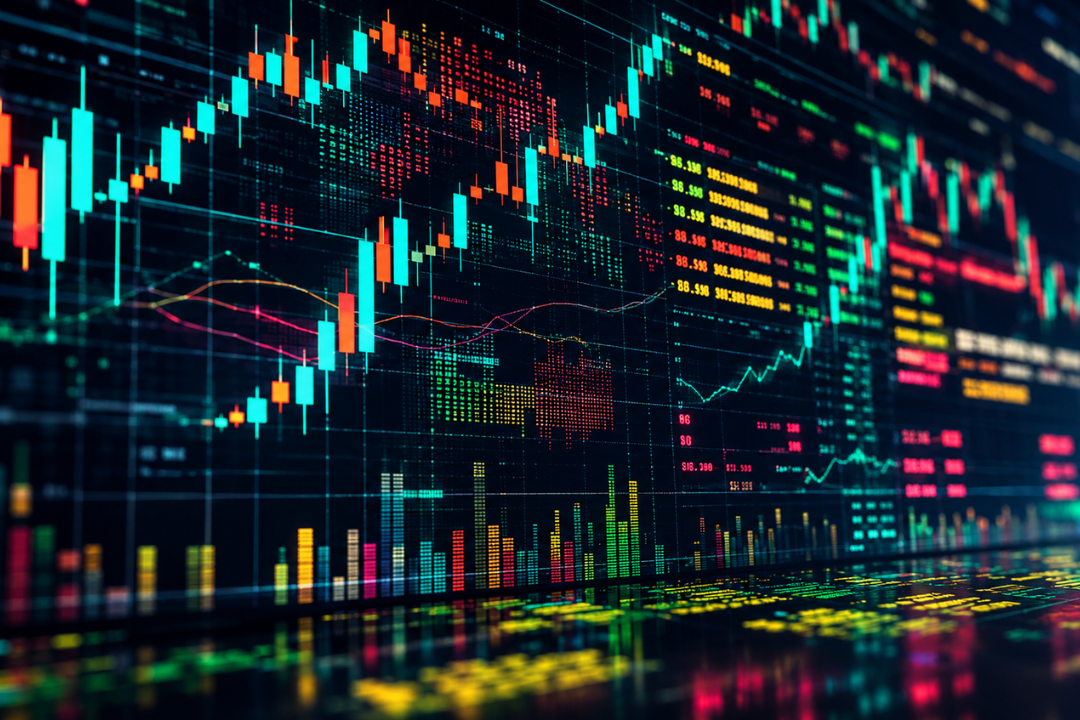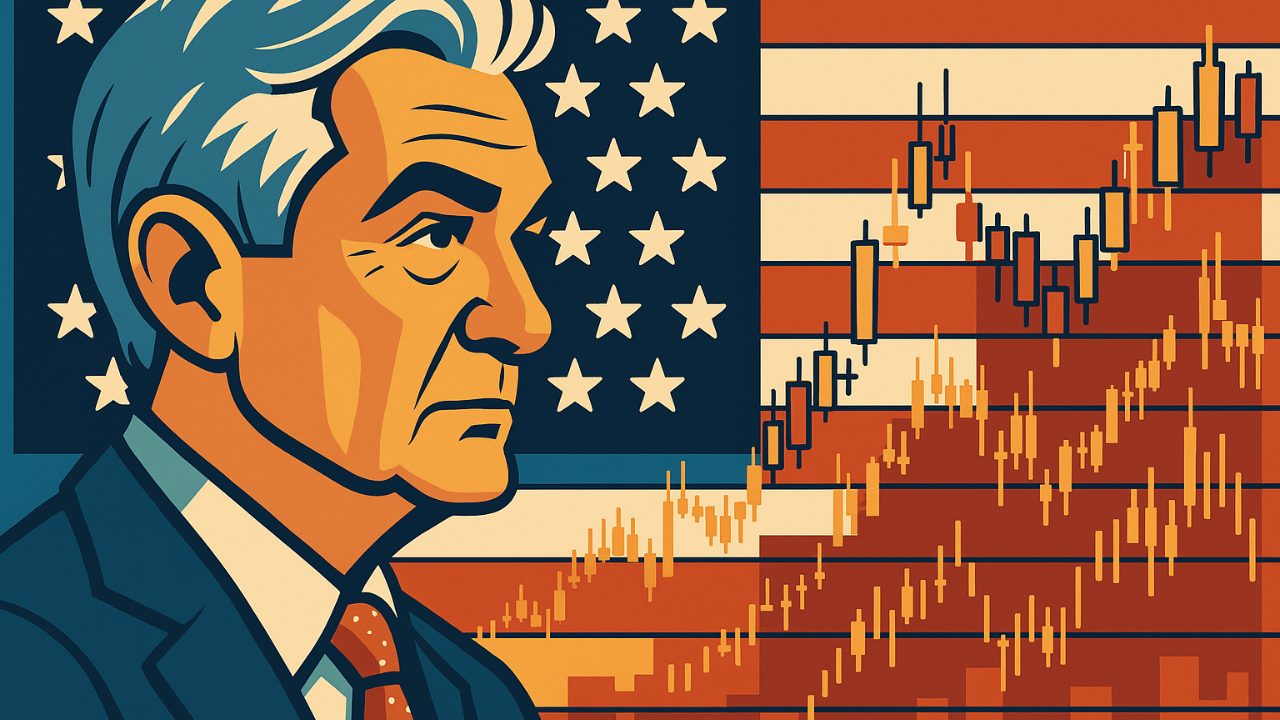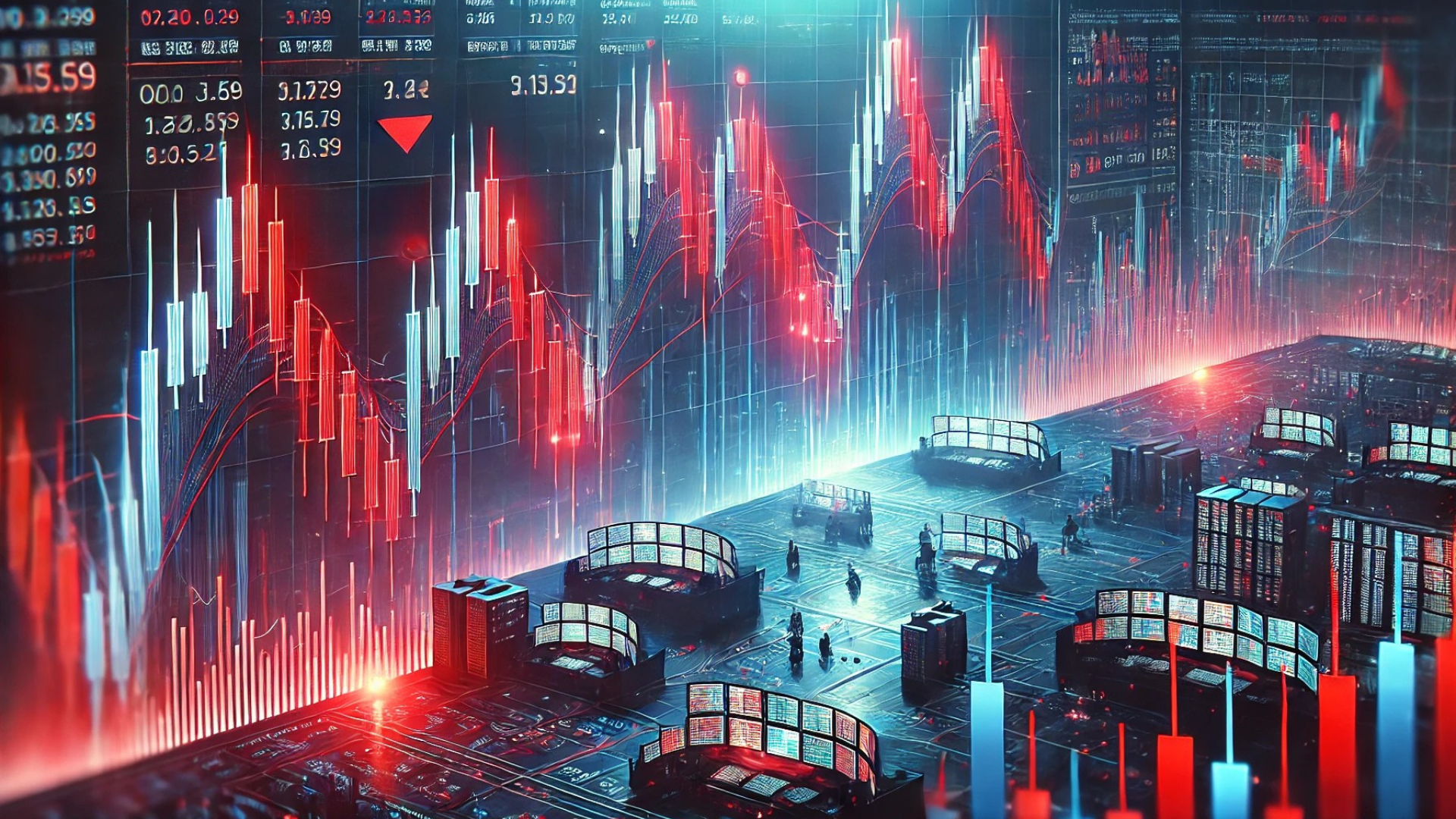


Most retail traders focus on the usual suspects price, volume, and maybe indicators like RSI or MACD. But behind those flashing charts lies something far more fundamental: order flow. It’s the real-time stream of buy and sell orders hitting the market every second the invisible current that reveals who’s buying, who’s selling, and how aggressively.
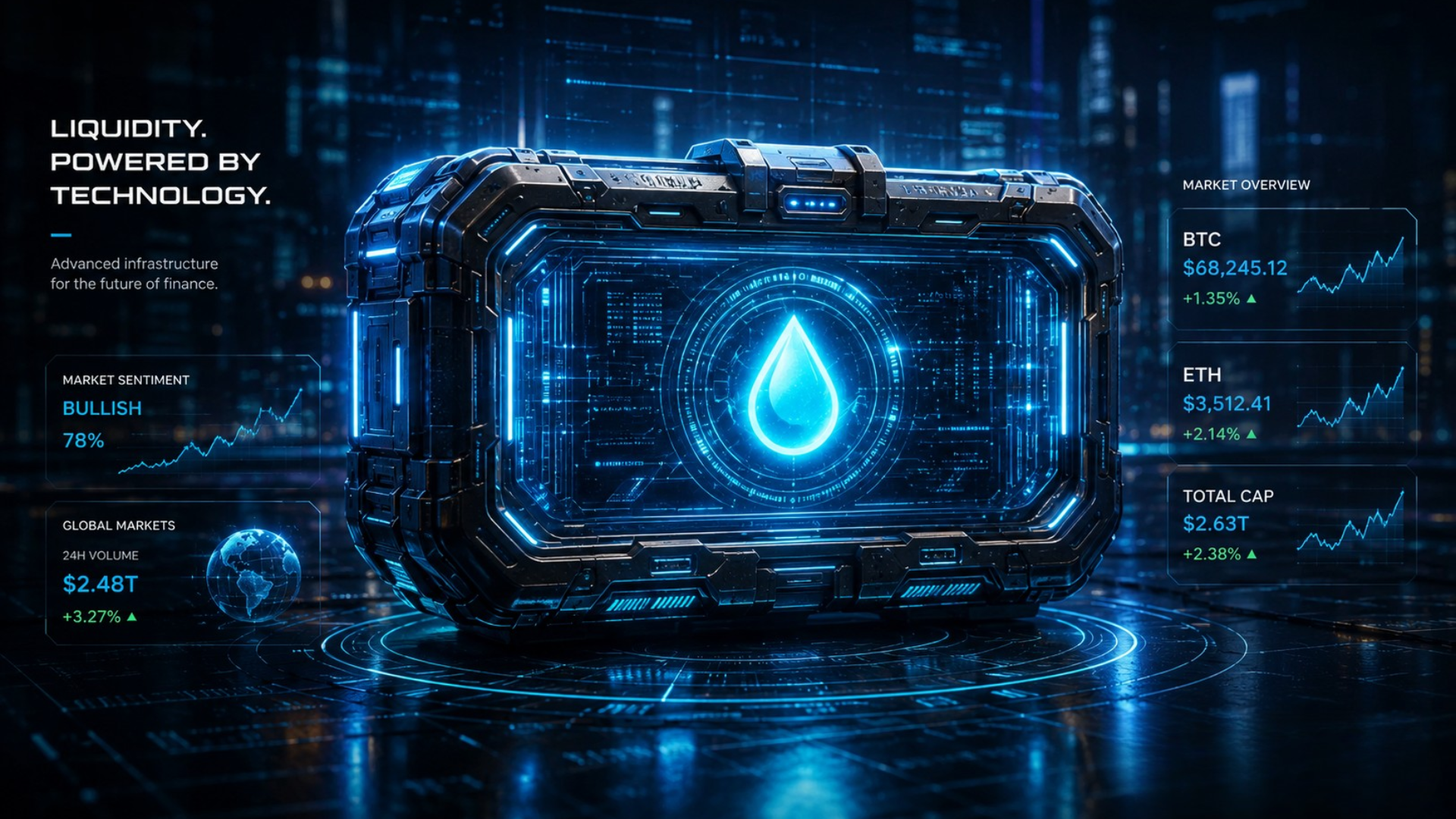
Professionals call it the heartbeat of liquidity and understanding it can help you stop fighting the market’s hidden forces.
What Exactly Is Order Flow?
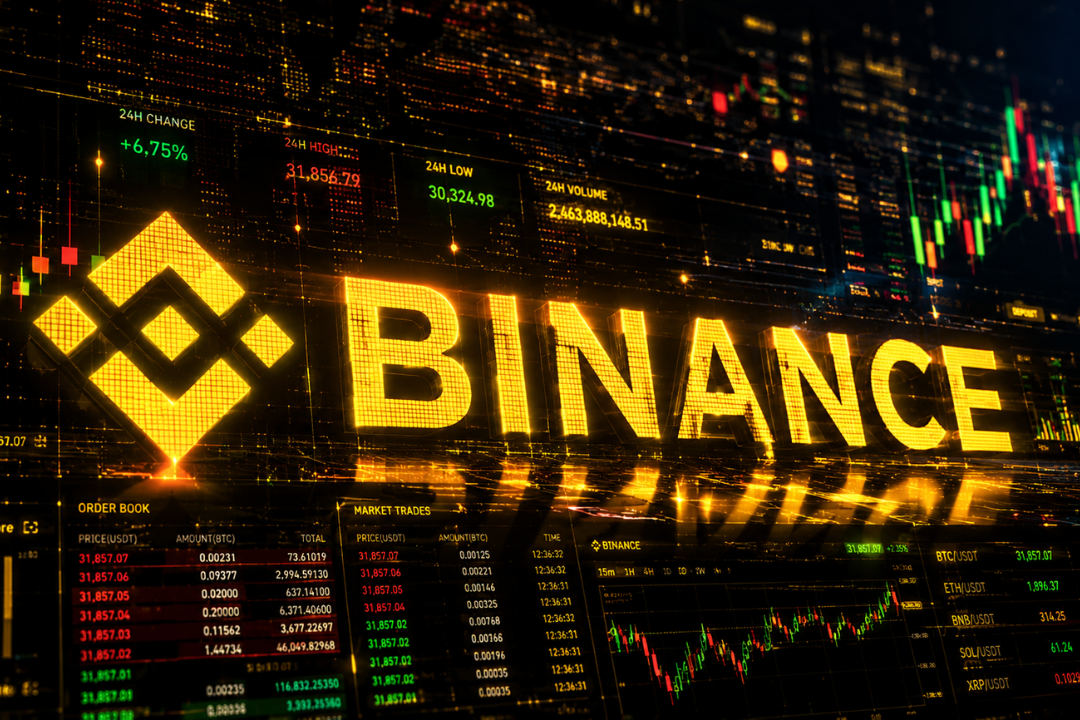
Order flow is the market’s hidden engine. It captures the raw activity — every market order, every bid and ask, and the pace at which they appear or disappear. While a price chart shows what happened, order flow shows why it happened.
For traders, this means seeing the market not as a static picture but as a living negotiation between buyers and sellers. The more aggressive one side becomes, the more prices move in their favor.
Market makers rely on this information constantly. When they detect “toxic flow” orders that seem to have insider knowledge or front-running potential they widen their spreads to protect themselves. Meanwhile, institutions track flow data to gauge sentiment and positioning across markets. A sudden burst of aggressive buying in oil futures, for example, often signals large fund rebalancing clues that retail traders only notice much later on a chart.
Execution quality, slippage, and liquidity all of it ultimately flows from how well you read the order flow.
From Wall Street to Robinhood: The Business of Flow
In traditional finance, order flow is a billion-dollar business. Retail brokers like Robinhood or E*TRADE often sell their customers’ order flow to firms such as Citadel Securities, which pay to fill those trades. This arrangement helps brokers offer “commission-free” trading but it also means your trades are part of someone else’s strategy.
Institutions, on the other hand, often trade massive blocks privately to avoid moving the market creating what’s known as a “two-tier” system. One tier sees the full depth of liquidity; the other (retail) sees only the surface.
For decades, regulators have debated whether this is fair. Should everyone see the same data? Should all traders have equal access to liquidity?
As decentralized finance grows, that answer is slowly shifting toward “yes.”
Order Flow in Crypto and DeFi
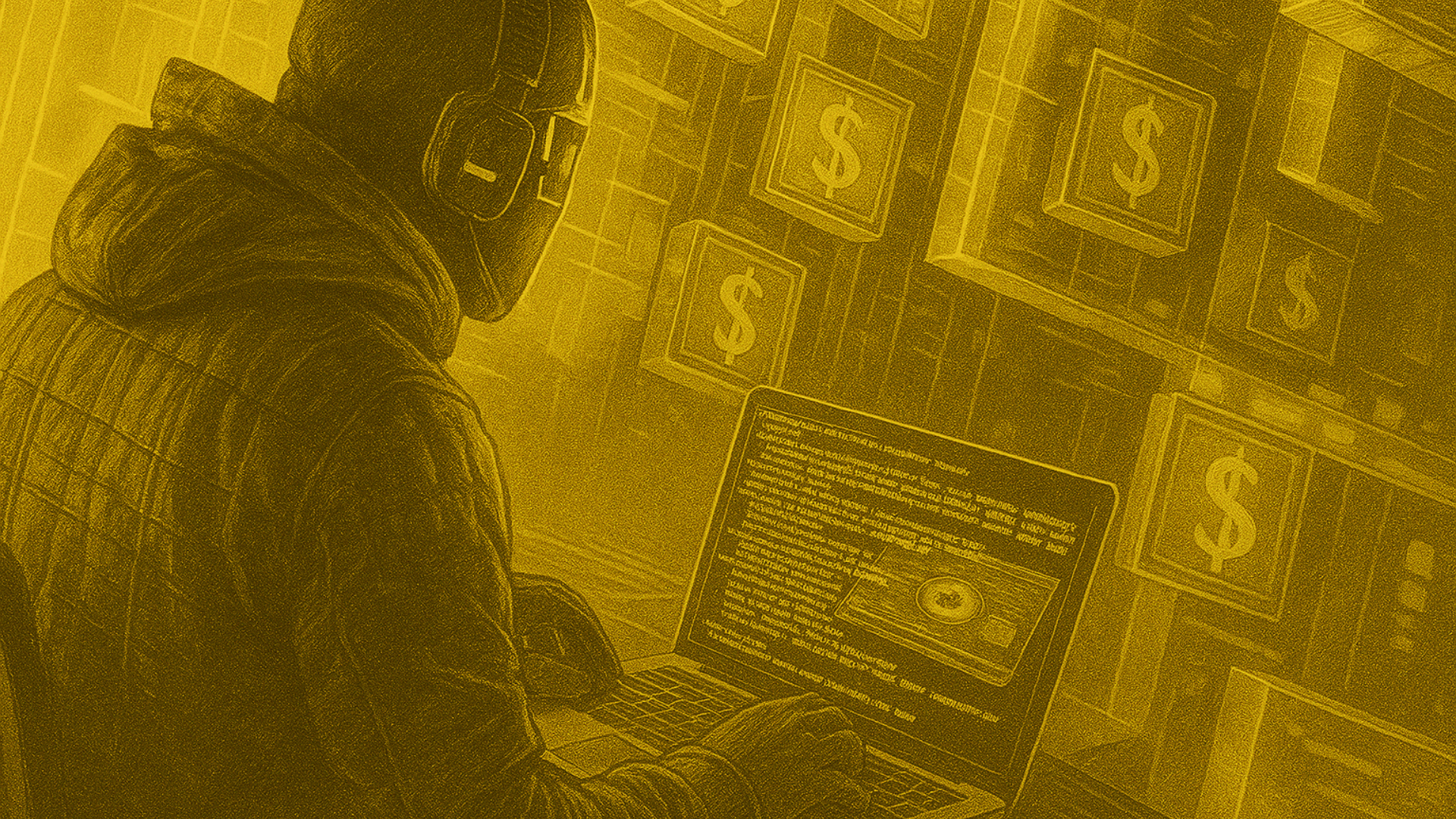
Crypto has its own version of this dynamic and its own dangers. Instead of dark pools, DeFi faces MEV, or Maximal Extractable Value. It’s the profit miners or validators can make by reordering transactions inside a block.
Here’s how it plays out:
- You submit a buy order on Uniswap.
- A bot detects it and buys before you.
- Your transaction goes through at a higher price.
- The bot sells right after you, pocketing the spread.
That’s called a sandwich attack the DeFi equivalent of front-running. It’s completely legal on-chain because the data is public, but it exposes just how vulnerable open order flow can be.
To combat this, new protocols now route transactions privately, hiding them from public mempools until execution. Think of them as open-source dark pools transparent by design, but shielded from predatory bots.
How AI Is Transforming Order Flow
Artificial intelligence is reshaping how order flow is analyzed.
AI models can now process billions of data points per second, distinguishing between retail and institutional activity in real time. They can detect when liquidity providers are under attack, reroute orders to safer venues, and even rebalance market-making algorithms dynamically all in milliseconds.
In crypto, this innovation is spawning AI-powered execution layers that redistribute MEV rewards back to users and stakers. What was once a source of hidden cost is now becoming a potential source of yield.
Why Traders Should Care
Every trade whether you make it on Robinhood or Binance competes for execution quality. Poor routing or unprotected flow means you’re paying hidden costs you’ll never see on a chart.
For retail traders, that might mean losing a few basis points on each trade. For institutions, it can mean millions in lost efficiency and slippage.
As AI, data transparency, and blockchain continue to merge, we’re moving toward a world where order flow isn’t just the privilege of Wall Street it’s democratized, shared, and even profitable for the traders who understand it.
The Bottom Line
Order flow is the invisible current beneath every market move.
It’s what connects liquidity, sentiment, and execution quality the missing layer most traders never see.
In the coming years, as AI-driven analytics and on-chain transparency converge, understanding order flow won’t just be an edge it’ll be a necessity for anyone serious about surviving modern markets.