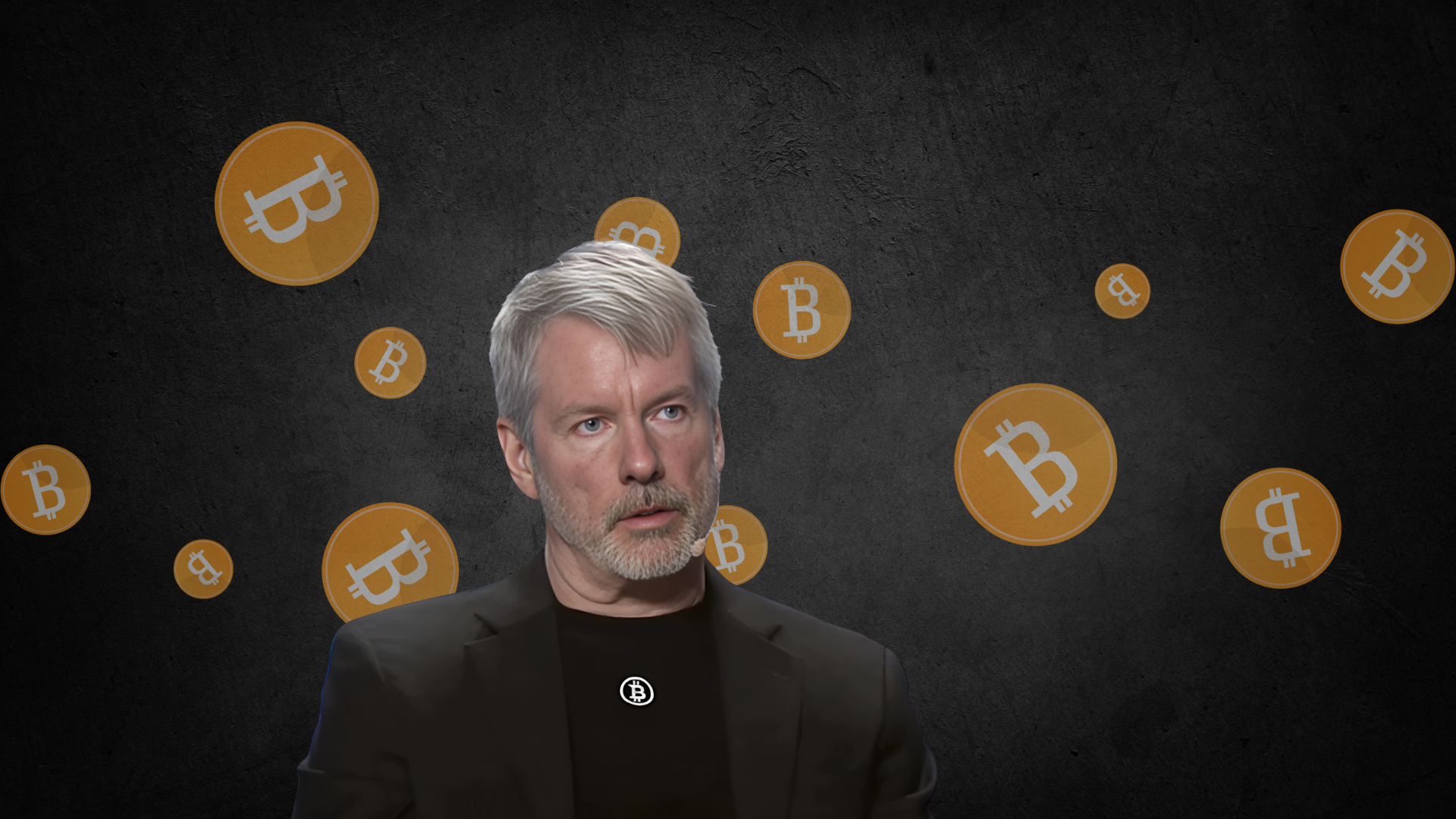


Swiss parliament member Samuel Kullmann has announced that he is working on an initiative to make Bitcoin (BTC) part of Switzerland’s constitution and to require the Swiss National Bank (SNB) to hold Bitcoin as part of its national reserves.
The proposal reflects Switzerland’s growing political interest in digital assets, even as the central bank continues to reject holding Bitcoin due to its volatility and policy misalignment.
A “Popular Initiative” to Bring Bitcoin Into the Constitution
In a video shared online, Kullmann explained that he and his team are developing a “popular initiative” a mechanism in Swiss law that allows citizens to propose constitutional amendments through a nationwide referendum.
To bring such a proposal to a vote, the initiative must gather at least 100,000 signatures. Once that threshold is met, the public can decide whether the change should be adopted into the constitution.
“For example, getting Bitcoin into the constitution of Switzerland and making the central bank hold it. So that’s one thing that we are working on right now,”
Samuel Kullmann, Swiss MP
Kullmann described this democratic tool as a “defensive mechanism” a way for citizens to demand action from the government or challenge policies they disagree with.
His proposal would effectively make Bitcoin part of Switzerland’s constitutional framework and require the SNB to hold BTC in its reserves a groundbreaking step for a traditional financial powerhouse like Switzerland.
A Longtime Advocate for Bitcoin Adoption
Kullmann has been an outspoken pro-Bitcoin voice in Swiss politics for years. Since 2021, he has advocated for greater recognition of Bitcoin in government policy, calling it a vital innovation for both finance and energy infrastructure.
In November 2024, Kullmann led a motion in the Grand Council of the Canton of Bern to explore Bitcoin mining as a tool to stabilize the energy grid and utilize surplus renewable power. The motion passed decisively with 85 votes in favor and 46 against, signaling growing regional support for Bitcoin-based innovation.
By January 2025, Kullmann took his advocacy further launching a campaign to amend the Swiss constitution and establish Bitcoin as a national reserve asset. His recent statements confirm that the initiative remains actively in progress.
Central Bank Remains Skeptical
Despite Kullmann’s efforts, the Swiss National Bank has made it clear that it currently has no plans to include Bitcoin in its reserves.
In March 2025, SNB Governor Martin Schlegel reiterated that Bitcoin’s volatility, regulatory uncertainty, and limited alignment with monetary policy make it unsuitable as a reserve asset.
“The Swiss National Bank’s reserves are designed to support monetary policy,” Schlegel explained. “Holding digital assets does not align with that objective.”
This stance reflects a cautious approach to crypto at the central bank level, even as other parts of Switzerland’s financial ecosystem continue to embrace digital assets.
Swiss Banks Embrace Crypto Despite SNB Opposition
While the SNB remains resistant, Swiss banks are moving steadily toward crypto adoption.
- Luzerner Kantonalbank became the first universal Swiss bank to let clients use Bitcoin (BTC) and Ethereum (ETH) as collateral for Lombard loans.
- Sygnum Bank and Swissquote have also started accepting crypto assets and crypto-based ETFs as collateral for credit lines.
- Even JPMorgan, which has strong Swiss ties, has recently begun accepting crypto as collateral, underscoring the global shift in institutional sentiment.
Bitcoin as a National Reserve Asset How Realistic Is It?
Kullmann’s proposal may take time, but it underscores Switzerland’s unique blend of financial conservatism and technological openness. If successful, it would make Switzerland one of the first nations in the world to constitutionally recognize Bitcoin and require central bank holdings in BTC.
For now, though, the SNB’s stance remains firm. But with rising political and institutional momentum, Kullmann’s initiative could mark the early stages of a larger debate about the role of Bitcoin in national monetary frameworks.
Global Context: Who Holds Bitcoin Today?
According to Bitcoin Treasuries data, the United States remains the largest government holder of Bitcoin, with 326,588 BTC valued at around $37.6 billion. China follows with 190,000 BTC, while European holders include the United Kingdom, Finland, Germany, and Bulgaria.
If Switzerland were to join this list, it would further cement its reputation as a global leader in financial innovation and crypto policy development.