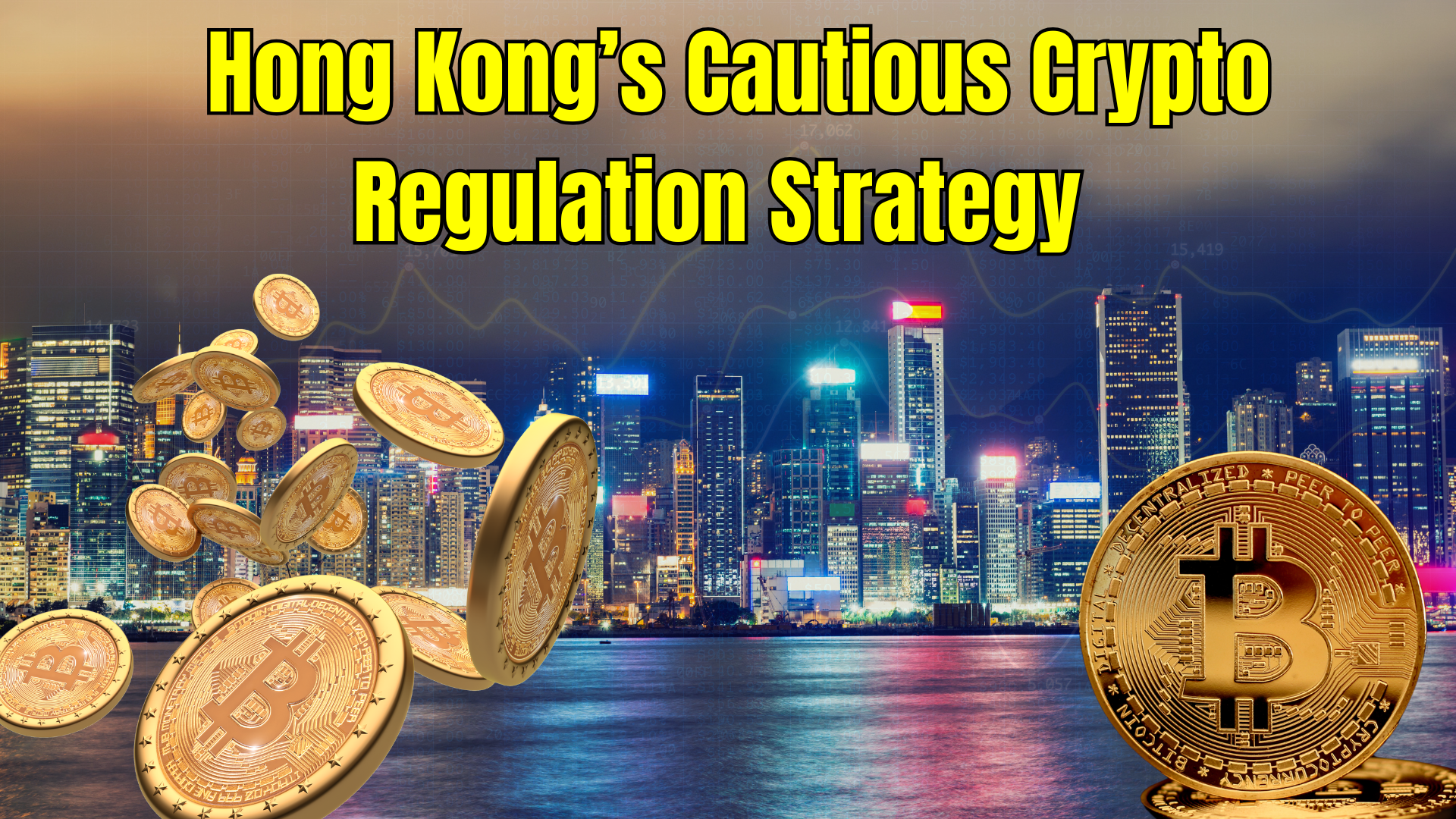


As of August 1, 2025, Hong Kong’s landmark Stablecoin Bill is officially in effect, setting the tone for a new era of regulated, real-world utility in digital finance. This isn’t just another crypto regulation it’s a clear sign that stablecoins are moving out of the speculative shadows and becoming a key part of the world’s financial infrastructure.
From Speculation to Infrastructure
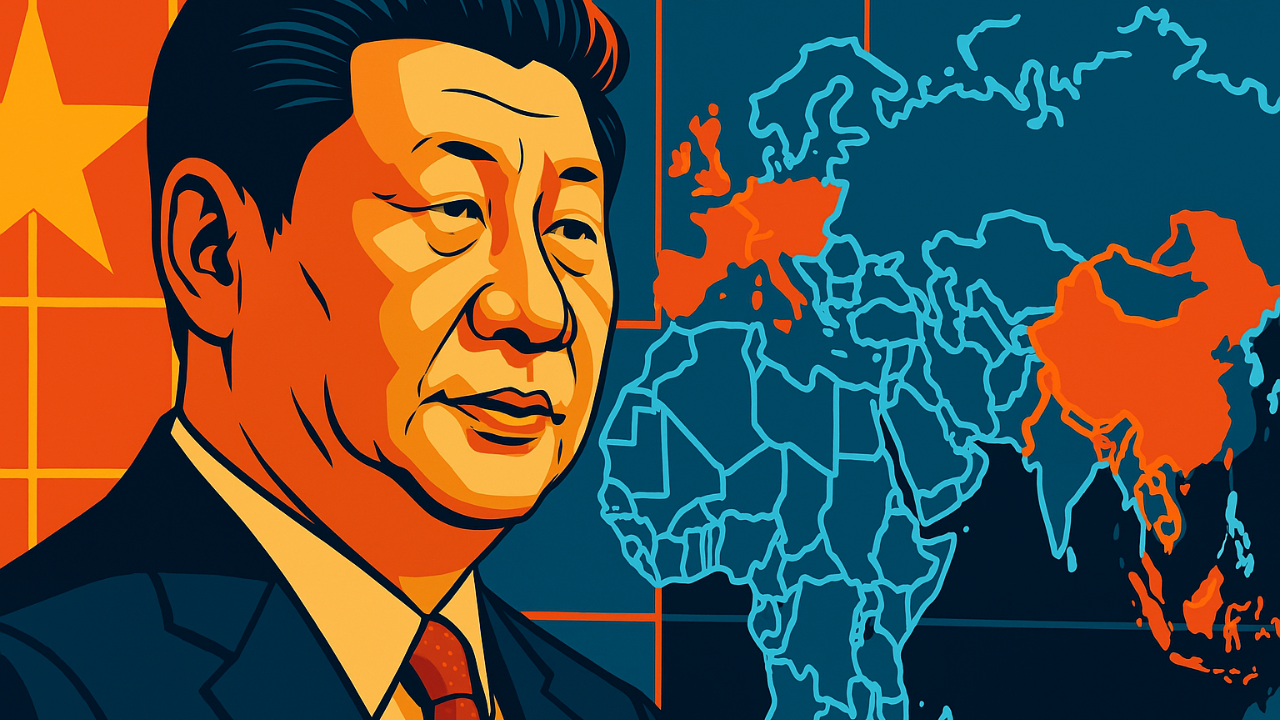
Hong Kong is now one of the first jurisdictions to implement a comprehensive licensing framework for stablecoin issuers. Under the new law, any entity involved in issuing fiat-backed stablecoins, managing reserve assets, or handling redemption operations must be licensed. It’s a bold move by the Hong Kong Monetary Authority (HKMA) to elevate regulatory standards while positioning the city as a global hub for digital assets.
But this law isn’t just about oversight it’s about building trust in a future where programmable money, not traditional banking rails, drives commerce.
Why Stablecoins Matter More Than Ever
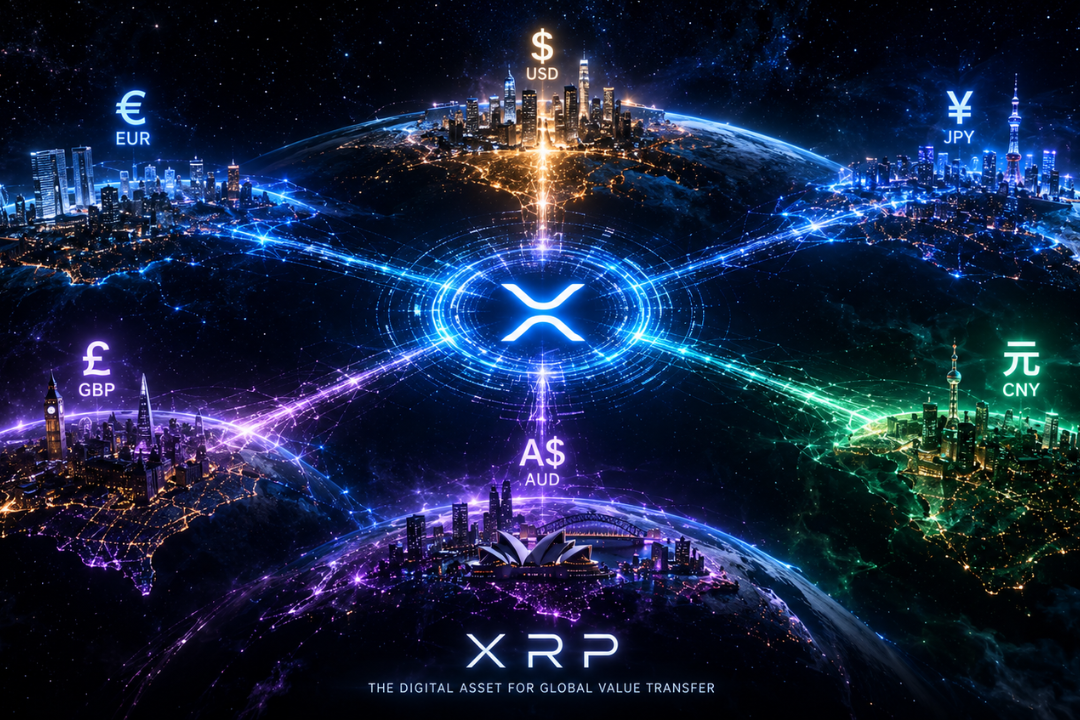
Stablecoins are no longer just for traders swapping assets on DeFi protocols. They’re now being used for instant remittances, cross-border settlements, and even corporate treasury operations. In 2024 alone, global stablecoin volume hit $27.6 trillion, outpacing both Visa and Mastercard combined. That’s not hype that’s adoption.
With 24/7 availability, low transaction fees, and T+0 settlement, stablecoins are proving to be far more efficient than legacy payment networks. And with compliance tools like AML/KYC, sanctions screening, and fraud detection now embedded directly into smart contract flows, this isn’t the wild west anymore it’s regulated, enterprise-ready finance.
What Hong Kong Is Doing Differently
This new regulatory regime is part of Hong Kong’s broader LEAP initiative, which stands for Licensing, Engagement, Adoption, and Policy a strategic blueprint designed to integrate blockchain into the core of the financial system. In its latest “Policy Statement 2.0,” the city reaffirmed its ambitions to lead in Web3 infrastructure, placing stablecoins at the heart of that vision.
Key highlights from Hong Kong’s stablecoin law include:
- Strict reserve requirements: Stablecoins must be fully backed by high-quality, highly liquid assets.
- Smart licensing: Only a “single-digit” number of issuers will be granted licenses initially ensuring quality over quantity.
- Cross-border support: Licensed OTC desks will help distribute stablecoin liquidity for global settlement and trade.
These rules aim to give both institutional players and the general public confidence in using stablecoins for everyday and enterprise-grade financial activity.
The Global Ripple Effect
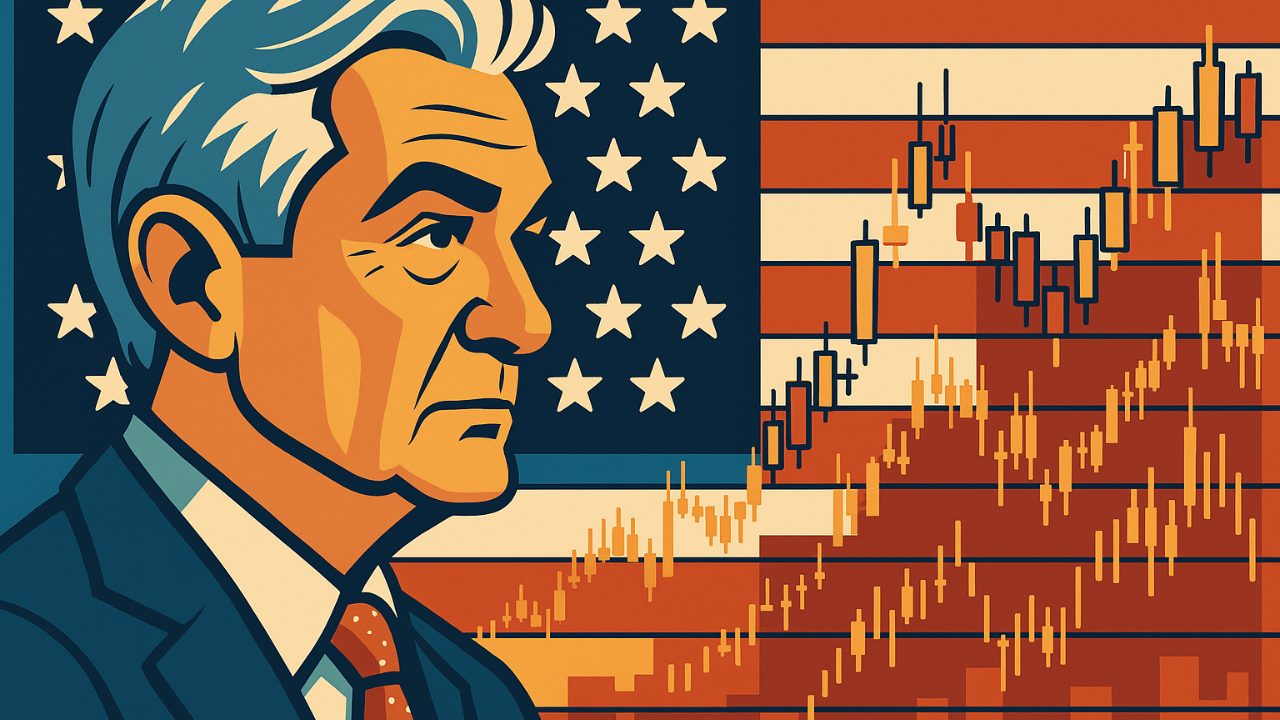
Hong Kong isn’t alone in tightening up stablecoin standards. The U.S. has passed the GENIUS Act, offering a dual-track model: banks issue under Fed/FDIC supervision, while non-banks follow OCC or state-level licensing. The bill enforces 1:1 reserve backing and seeks to preserve the dollar’s role in digital finance.
Meanwhile, the EU’s MiCA regulation (effective June 30, 2024) already requires issuers to hold full reserves and publish detailed disclosures. And in the UAE, the new VARA rulebook creates clear pathways for issuing both fiat- and asset-backed tokens.
Here’s how the models compare:
| Jurisdiction | Reserve Requirement | Strategic Focus | Regulatory Model |
|---|---|---|---|
| Hong Kong | Fully backed by highly liquid assets | Web3 innovation & regional stability | Single regulator (HKMA) |
| United States | 1:1 backing with USD | Dollar dominance & capital market tokenization | Dual-track: Fed/FDIC + OCC/states |
Each region is racing to solidify its stance on stablecoins not just to regulate crypto, but to redefine money itself.
Beyond Payments: The Bigger Picture
Stablecoins aren’t just revolutionizing payments they’re becoming the anchor layer for tokenized real-world assets (RWAs), such as real estate, bonds, or supply chain financing tools. When backed by regulated, liquid stablecoins, tokenized assets gain instant liquidity, price transparency, and interoperability with global systems.
In Hong Kong, the stablecoin law is already sparking demand. According to Financial Secretary Christopher Hui, license slots will be limited, and interest from both local and global players is already high. The message is clear: quality first, scale later.
Final Thoughts: The Backbone of Future Finance
With the launch of this law, Hong Kong isn’t just playing catch-up it’s leapfrogging. Stablecoins are no longer a “maybe.” They’re becoming the core layer of programmable finance serving as bridges between crypto-native ecosystems and traditional financial systems.
The Stablecoin Bill is more than policy it’s infrastructure. And it lays the groundwork for a global shift toward money that is instant, transparent, compliant, and programmable by design.
As the world’s financial system transforms, it’s not a question of whether stablecoins will be part of it but how fast the rest of the world will align with this emerging reality.