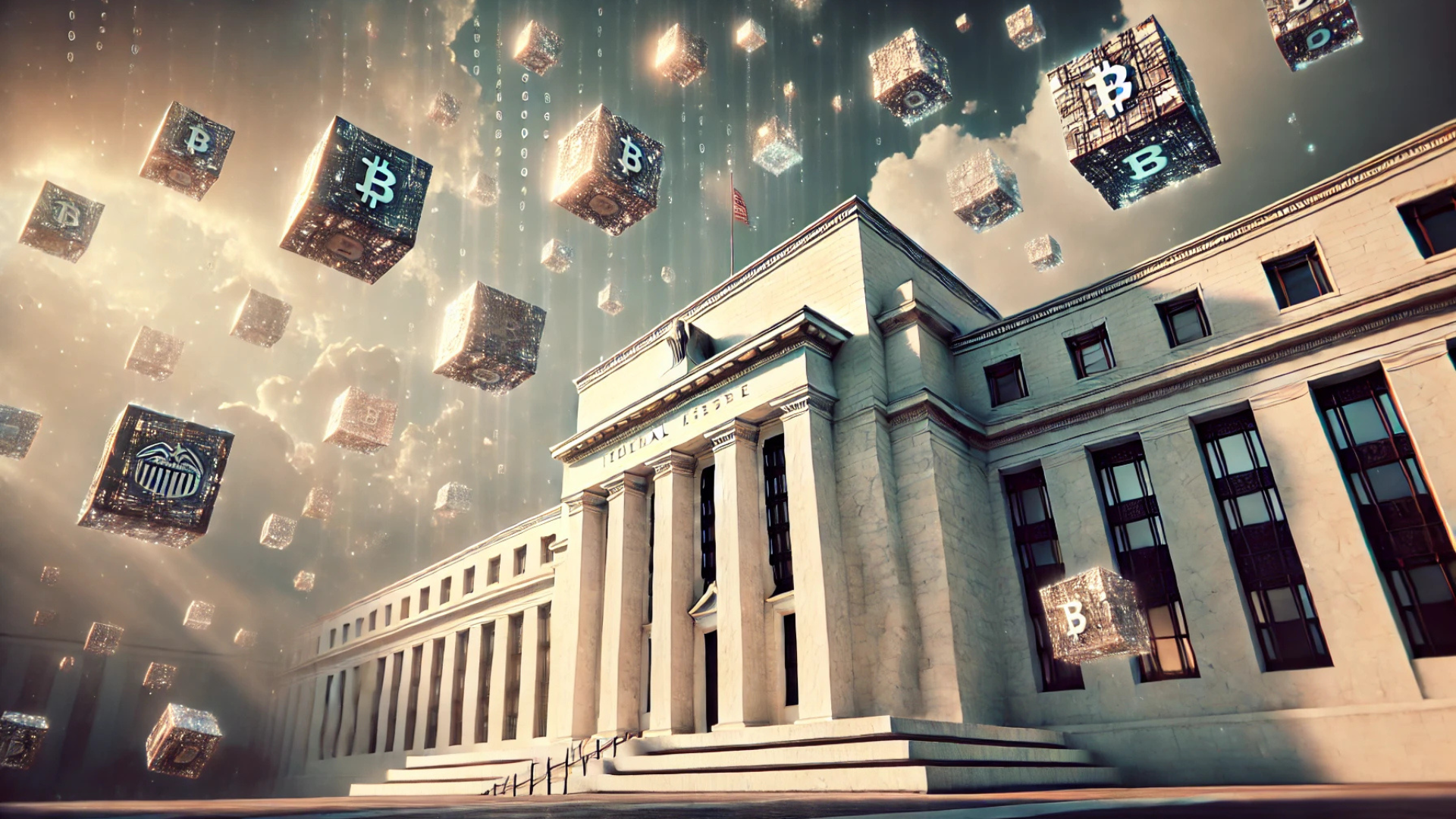


Forget meme coins and speculative hype the real blockchain revolution is happening behind the scenes, and it’s reshaping how global finance works. With over $23 billion in real-world assets (RWAs) now tokenized on-chain and incoming SEC Chair Paul Atkins pushing banks to embrace the shift, the question is no longer if tokenization will transform capital markets, but how quickly.
What’s Really Happening?
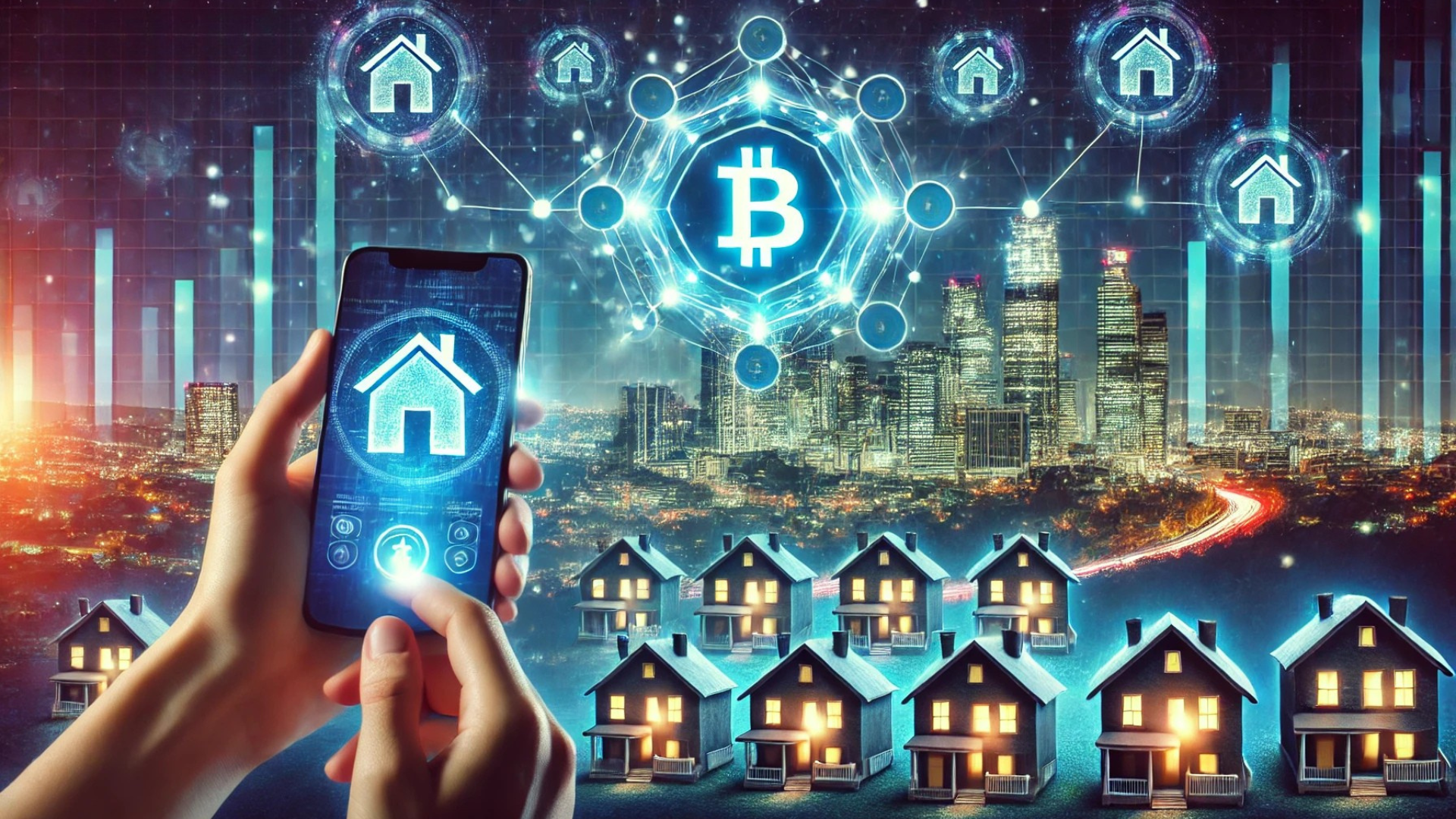
Institutions are moving fast to bring traditionally illiquid assets like private equity, real estate debt, and structured credit—onto public and permissioned blockchains. Tokenizing these assets means they become programmable, tradable, and instantly settled, unlocking access for more investors while slashing the time and cost of moving capital.
But this isn’t a regulatory gray area anymore. Quite the opposite.
Compliance Is the Killer Feature
Today’s tokenization frameworks bake in KYC, accreditation checks, and geo-fencing at the protocol level. That means they’re not just compliant they’re automated. These tokens can satisfy the strictest global regulations (think MiFID II in Europe, U.S. securities laws) while streamlining everything from dividend payouts to consent solicitations using smart contracts.
This isn’t a workaround to existing finance. It’s a full-blown infrastructure upgrade that finally removes excuses for legacy inefficiencies like T+2 settlement and manual recordkeeping.
Tokenization in Action
Institutions are already on board:
- Franklin Templeton is routing fund shares through public blockchains.
- Hamilton Lane has tokenized parts of its private credit portfolio.
- Debt instruments, commercial paper, and equity stakes are now being issued as smart contracts that can settle in seconds instead of days.
This shift is unlocking secondary markets for assets that were once locked away by legal paperwork and geographic boundaries.
Interoperability = Liquidity
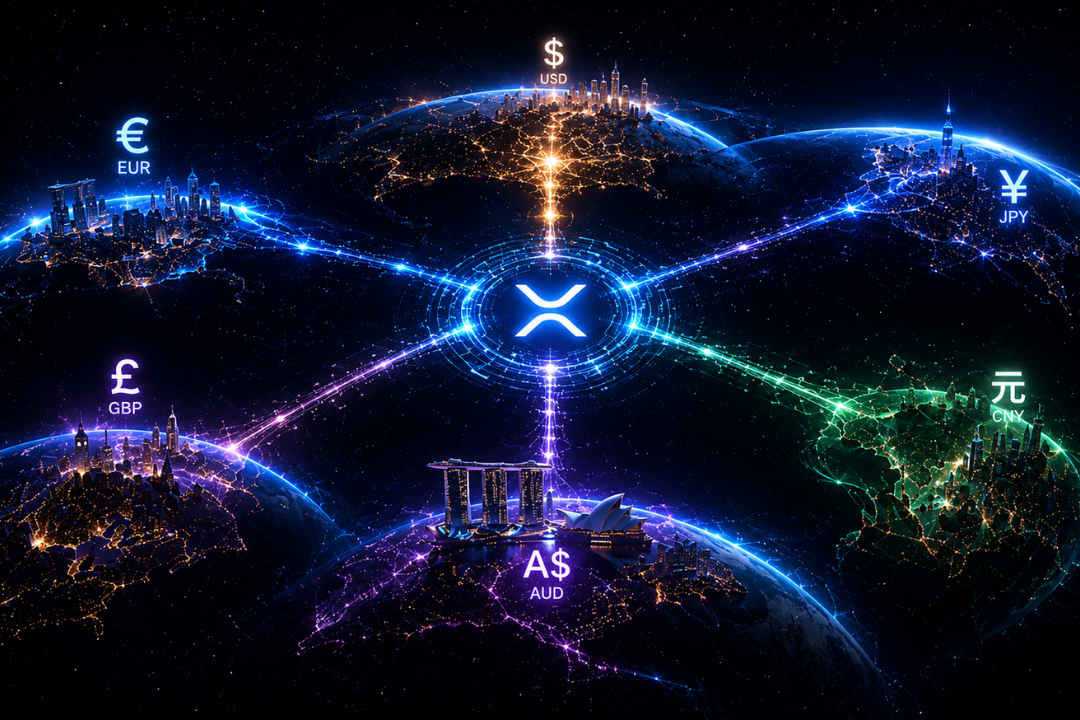
One of the biggest hurdles in traditional finance is siloed systems. In tokenized finance, interoperability is the linchpin. New cross-chain infrastructure is enabling tokens to move between networks without fragmentation or exposing traders to the risks of bridges.
In simple terms: a tokenized bond on one chain can settle against collateral on another, and traders won’t need to know or care which chain handles what. It’s seamless, invisible—and exactly what institutions need.
This multichain setup also acts as insurance against obsolescence. No one wants to bet the farm on a chain that’s dominant today but outdated tomorrow. Interoperability lets institutions focus on what really matters: yield, creditworthiness, and risk not tribal tech battles.
Standards That Set the Rules
Open standards like EIP-7943 (uRWA) are laying the legal and technical foundation for compliant RWAs. They make it possible for tokenized assets to interact with ERC-20, ERC-721, and ERC-1155 tokens, creating composability without sacrificing regulatory rigor.
By staying open-source and vendor-neutral, these standards ensure institutions won’t get locked into proprietary platforms. It’s the digital equivalent of building with LEGO blocks instead of glue modular, adaptable, and future-proof.
Why It Matters: Trillions Are at Stake
Projections vary McKinsey sees $2 trillion in tokenized assets by 2030, while BCG pegs it closer to $16 trillion. Either way, the direction is clear. Tokenization isn’t a sideshow it’s the next phase of financial evolution.
It turns idle capital into yield, reduces counterparty risk, democratizes access to private markets, and accelerates settlement from days to seconds. The downstream impact? Lower costs, faster innovation, and tighter integration between asset classes, investors, and regulators.
Still Skeptical? You Might Be Missing the Big Picture
Some critics argue tokenization is just legacy finance wearing a blockchain disguise. But that’s a shallow take. The real magic isn’t in the tokens themselves it’s in the composability they enable.
Imagine:
- A regulated bond that pays its own coupon at midnight via smart contract.
- Real-time credit scoring integrated with tokenized loans.
- Automated ESG reporting tied to governance smart contracts.
These aren’t pipe dreams they’re already being prototyped. And yes, not everything will succeed. But the trajectory is unmistakable: transparency and automation are becoming non-negotiable in financial infrastructure.
The Bottom Line
Tokenization is blockchain’s first true beachhead in institutional finance. But this revolution isn’t about hype. It’s about quiet, compounding efficiencies across compliance, settlement, liquidity, and governance.
And as these systems scale, we won’t even talk about “blockchain” anymore just like no one talks about HTTP when they browse the web. Finance will simply run on it.