

Blockchain is no longer a loud, experimental technology sitting on the fringes of finance. In 2025, it has become quiet infrastructure, powering payments, settlements, and capital flows behind the scenes. At the center of this shift are stablecoins, regulated DeFi platforms, tokenized bonds, and AI-enhanced smart contracts, which together are linking traditional finance directly to everyday economic activity.
According to industry observers, this transformation is happening without most users even realizing it a sign that blockchain technology is finally maturing.
Stablecoins Become Everyday Payment Rails
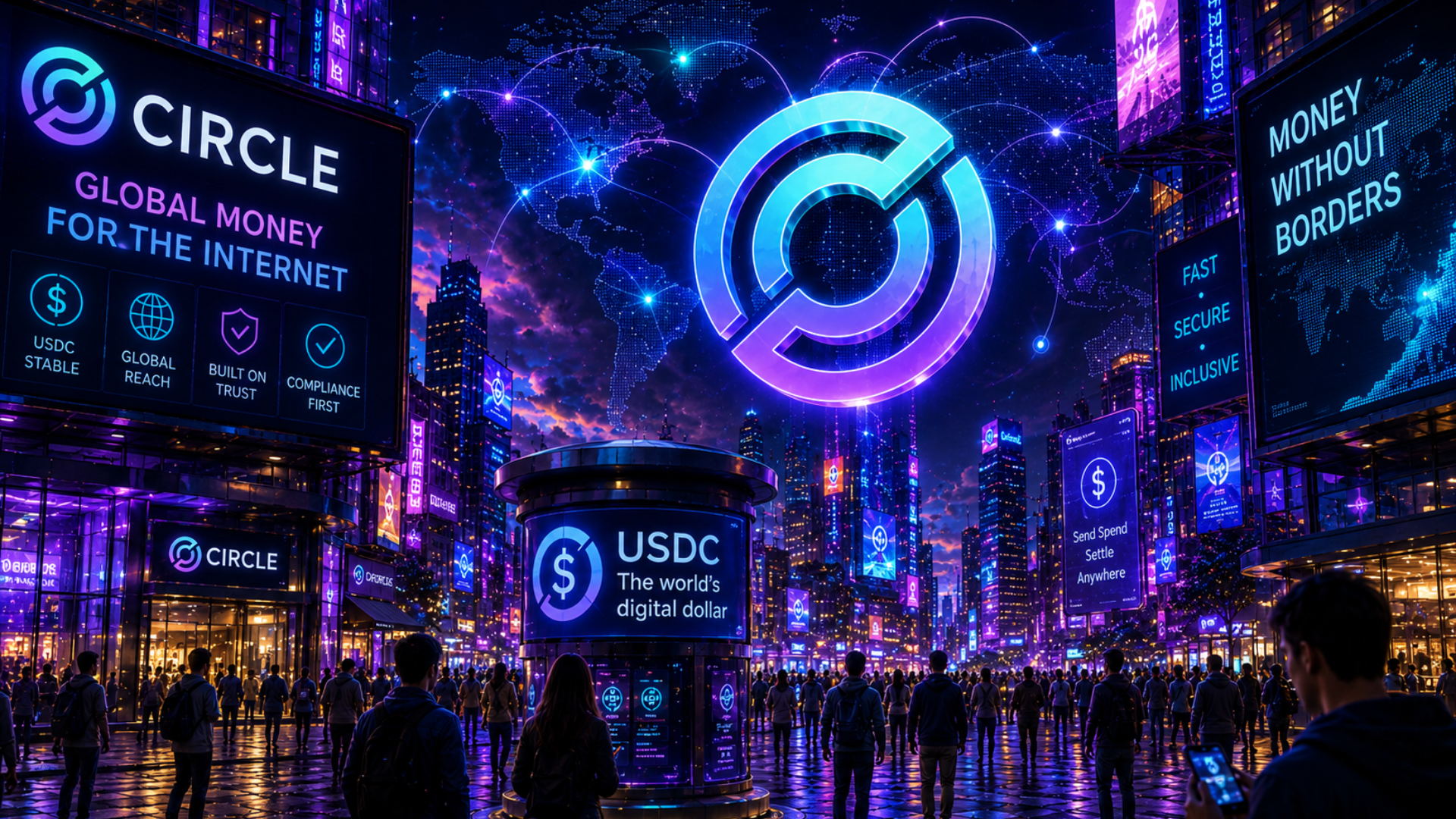
Stablecoins have evolved from crypto-native tools into widely used instruments for daily transactions. By offering faster transfers and lower fees than traditional banking rails, they are increasingly used for payments, payroll, and cross-border remittances.
This shift has been especially visible in regions with limited or inefficient banking infrastructure. In underbanked economies with high remittance demand, stablecoins provide an accessible way to move money digitally without relying on slow or expensive intermediaries.
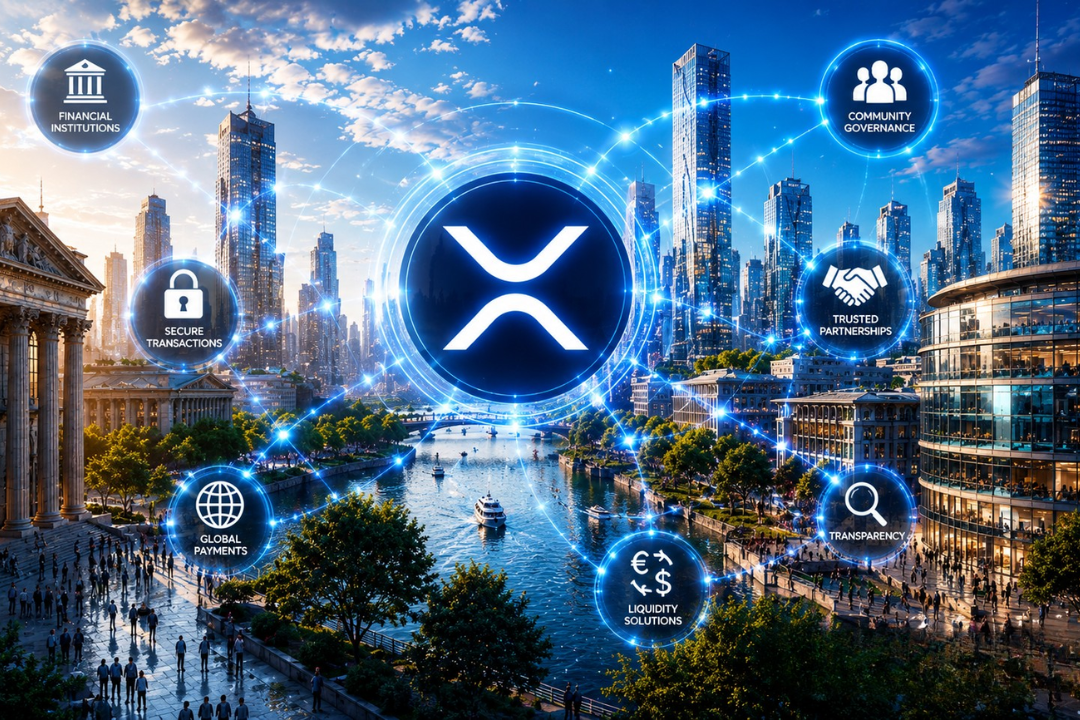
Rather than replacing banks outright, regulated decentralized finance (DeFi) platforms are increasingly working alongside them. Financial institutions are exploring partnerships that allow stablecoin-based payments to plug directly into existing systems, reducing operational friction while maintaining regulatory oversight.
Regulated DeFi Bridges the Gap With TradFi
Unlike early DeFi experiments, today’s regulated platforms are designed to comply with financial rules in major jurisdictions, particularly in Europe and the United States. Clearer regulatory frameworks are giving banks and enterprises confidence to experiment with on-chain settlement and liquidity tools.
These platforms allow businesses to integrate payment systems, lending, and settlement processes without relying on traditional clearing houses. For institutions, the appeal lies in lower costs, faster settlement, and reduced counterparty risk, all while operating within compliant environments.
For many enterprises, blockchain no longer feels like a disruptive force it feels like a backend upgrade.
Tokenized Bonds and Real-World Assets Gain Traction
Governments and corporations are also expanding their use of tokenized real-world assets, including bonds, property, and other financial instruments. Tokenization allows these assets to be issued and managed on blockchain networks, reducing administrative overhead and improving transparency.
On-chain bonds, in particular, are drawing attention. By issuing debt digitally, governments and companies can streamline settlement, provide investors with real-time ownership tracking, and reduce errors that plague traditional systems.
Tokenization also creates a single, verifiable record of ownership and transfers, increasing trust and efficiency across capital markets.
AI Makes Blockchain Infrastructure Invisible
Artificial intelligence is playing a growing role in making blockchain systems more secure and easier to operate. AI-enhanced smart contracts are being used to automate compliance checks, monitor transactions for irregular activity, and reduce operational errors.
Industry sources say these contracts are increasingly resistant to advanced threats, including future quantum-level risks. AI monitoring allows systems to detect anomalies in real time, strengthening payment networks, supply chains, and financial workflows.
As a result, blockchain infrastructure is fading into the background. End users don’t need to understand smart contracts, token standards, or networks they simply experience faster, cheaper, and more reliable services.
Blockchain as Financial Plumbing
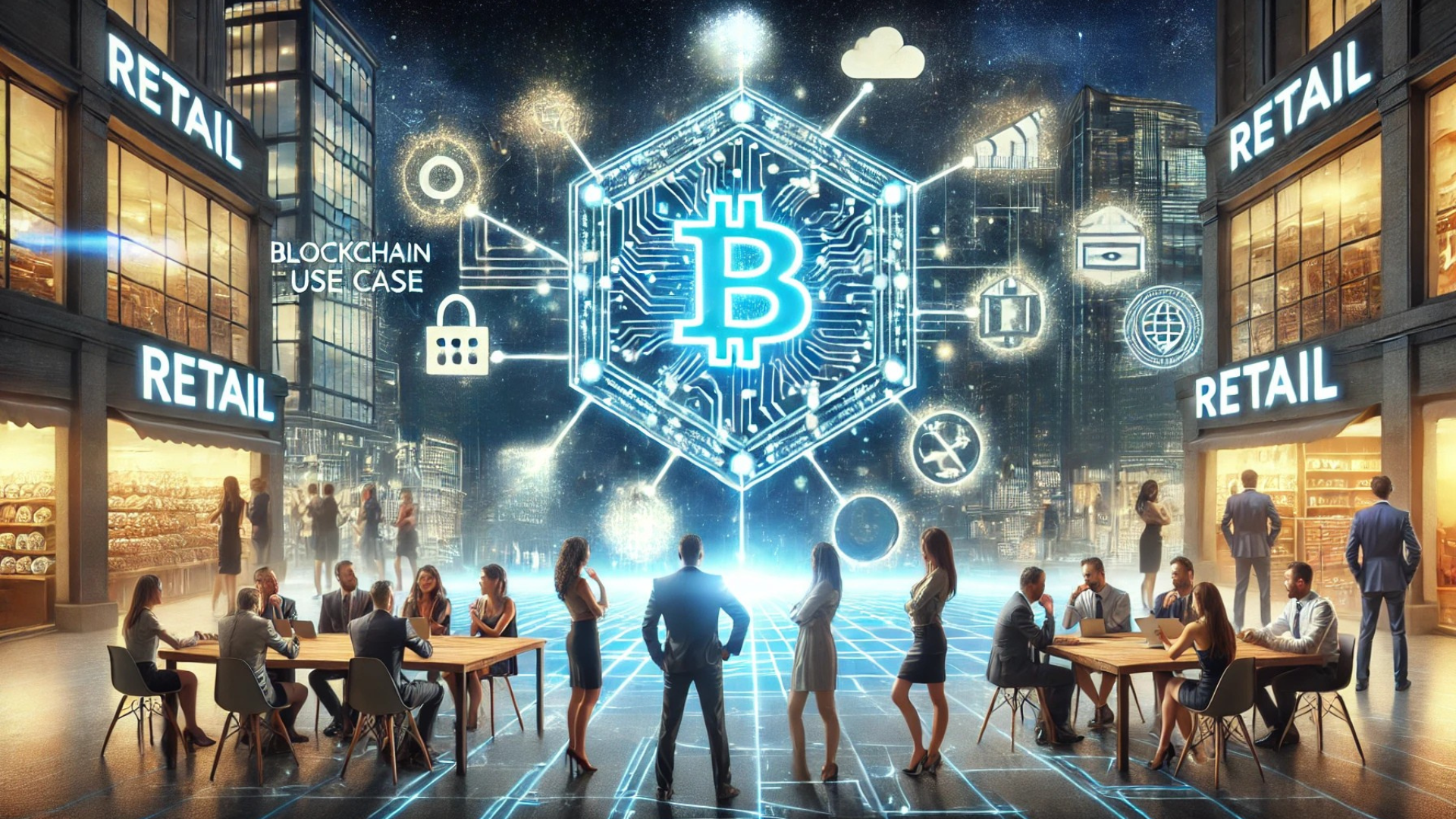
By the end of 2025, blockchain adoption has shifted from experimentation to infrastructure. For many businesses, especially small and medium-sized enterprises, blockchain now functions like electricity or the internet essential, powerful, and largely invisible.
Payments, asset tracking, and settlement processes run on blockchain rails without requiring specialized technical knowledge. Companies are using these systems to reduce fraud, eliminate waste, and build trust directly into their operations.
This quiet integration marks a major milestone for digital finance. Stablecoins and regulated DeFi are no longer niche tools they are becoming the connective tissue that links traditional finance to the future of global payments.