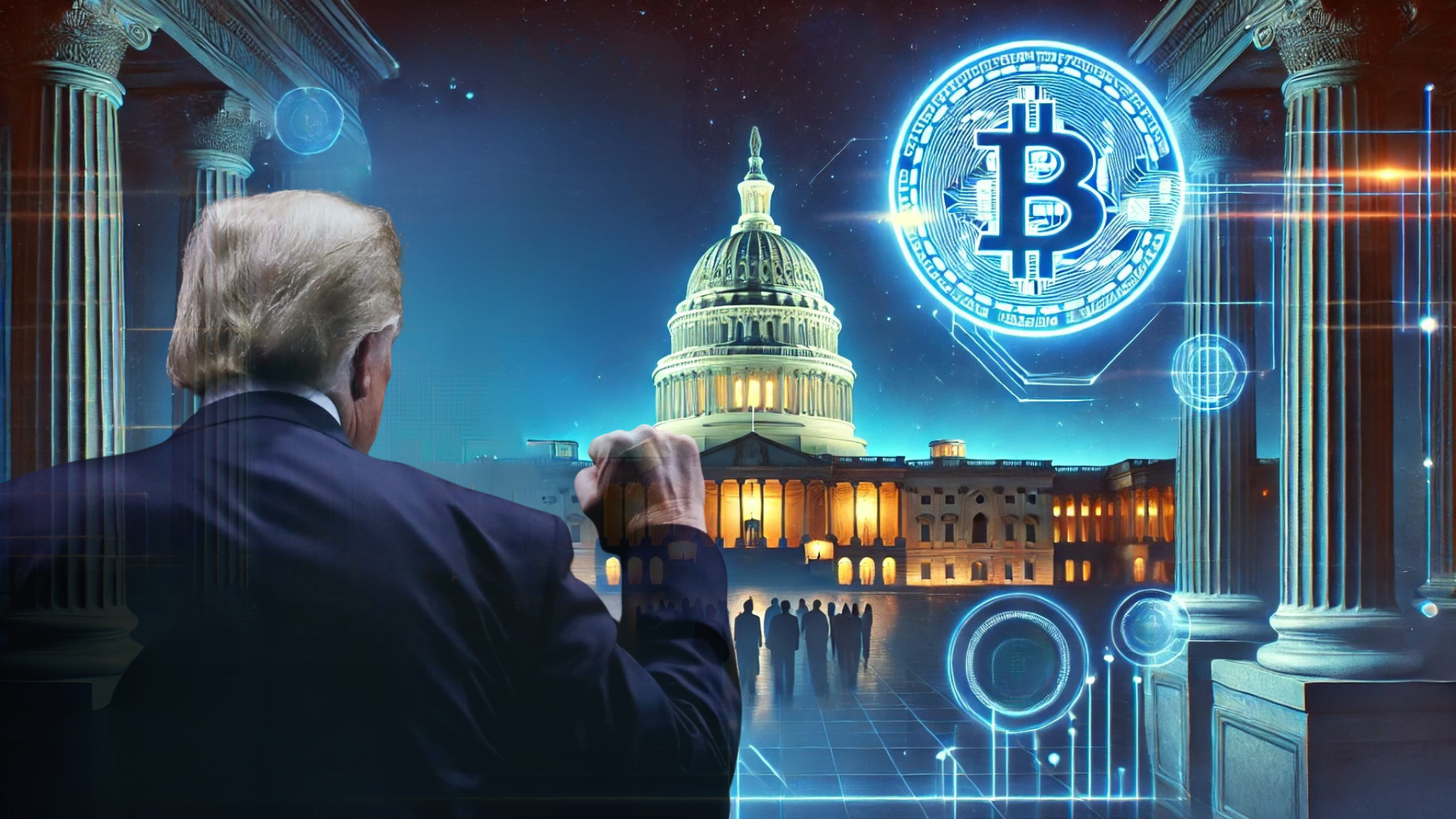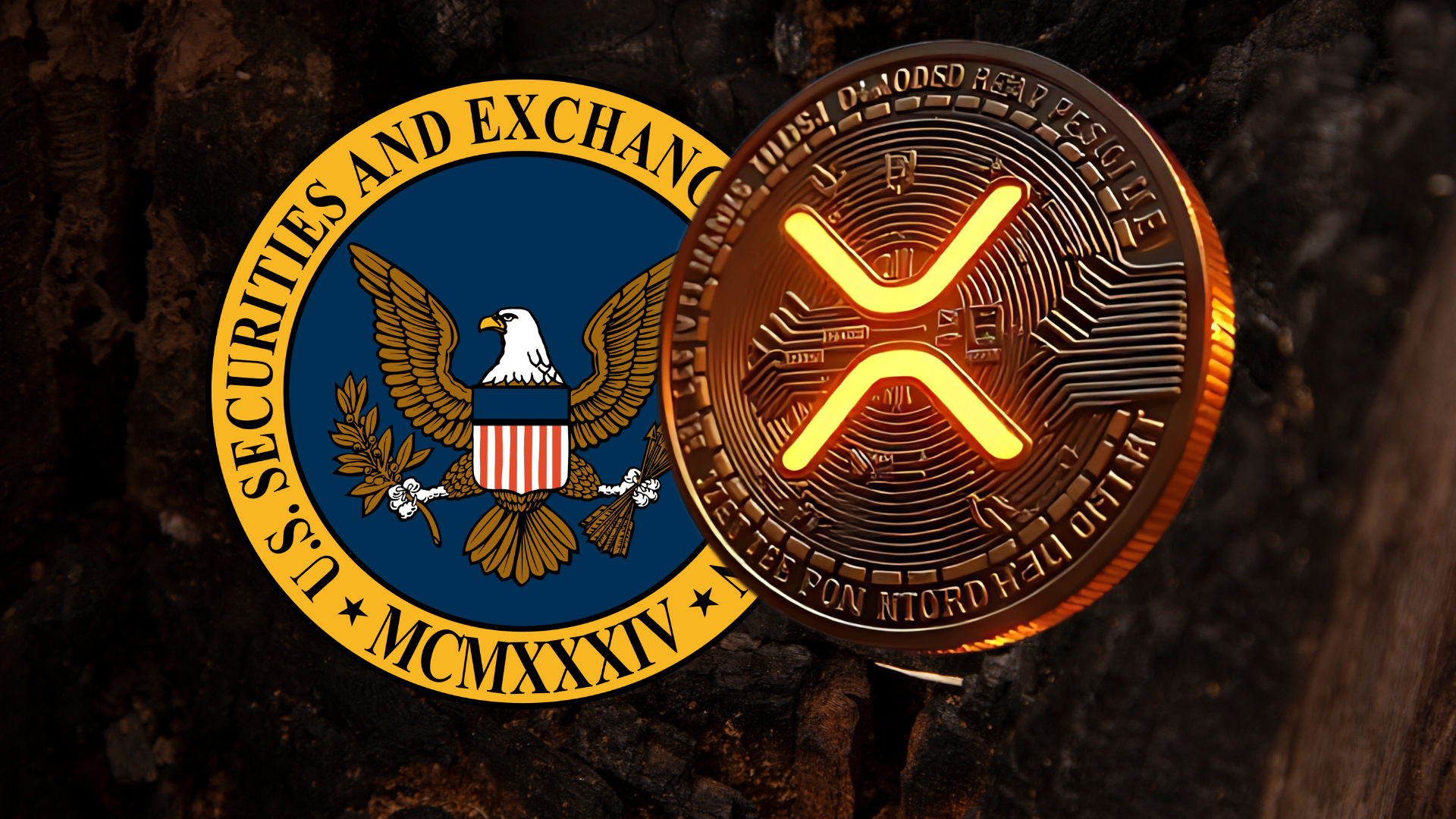


If you’d told me a year ago that U.S. SEC commissioners would be defending self-custody and proposing innovation sandboxes for DeFi builders, I would’ve raised an eyebrow. Yet here we are witnessing what may be the most important regulatory turning point in crypto’s short history.
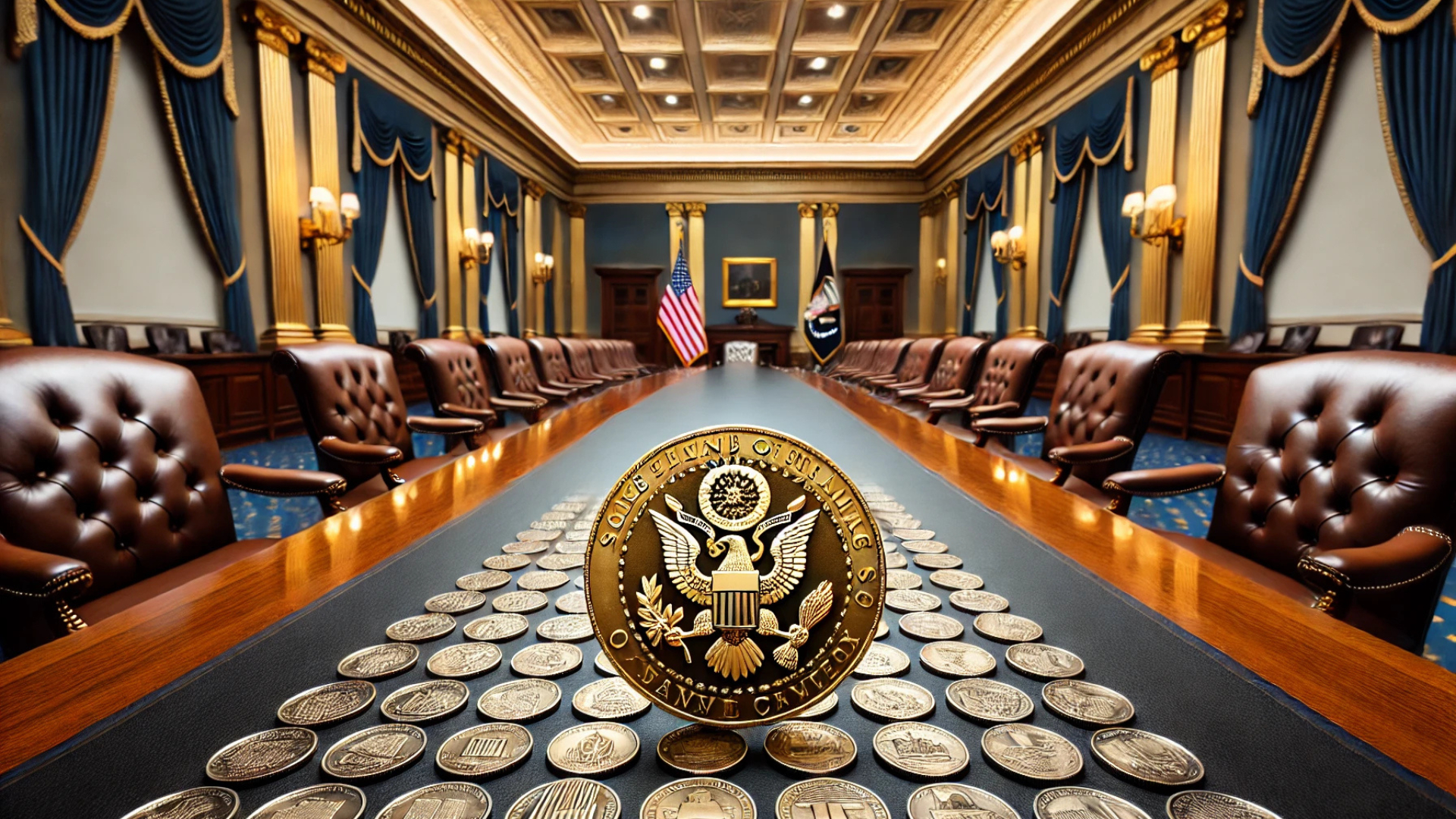
At the SEC’s recent Crypto Task Force roundtable, something previously unimaginable took place. Regulators didn’t just show up they listened, engaged, and spoke the language of programmable finance. They acknowledged the importance of self-custody, considered smart contract publishing as a near-protected speech, and even floated the idea of conditional exemptions to give builders the freedom to experiment safely.
In a sector hardened by years of regulatory whiplash, this isn’t just a tone shift it’s an inflection point with global implications.
The Global Impact of a U.S. Regulatory Pivot
When the U.S. pivots, the world pays attention. American financial regulators hold an outsized influence on global financial infrastructure. A meaningful embrace of programmable finance principles by the SEC could set new standards across jurisdictions from London to Singapore to Dubai.
In 2024 alone, SEC enforcement actions dropped by 30%, and in early 2025, the agency dropped its case against Coinbase and repealed SAB 121, a rule that had obstructed bank-led crypto custody. Add to this the formation of a dedicated Crypto Task Force aimed at building a “workable framework,” and the momentum is undeniable.
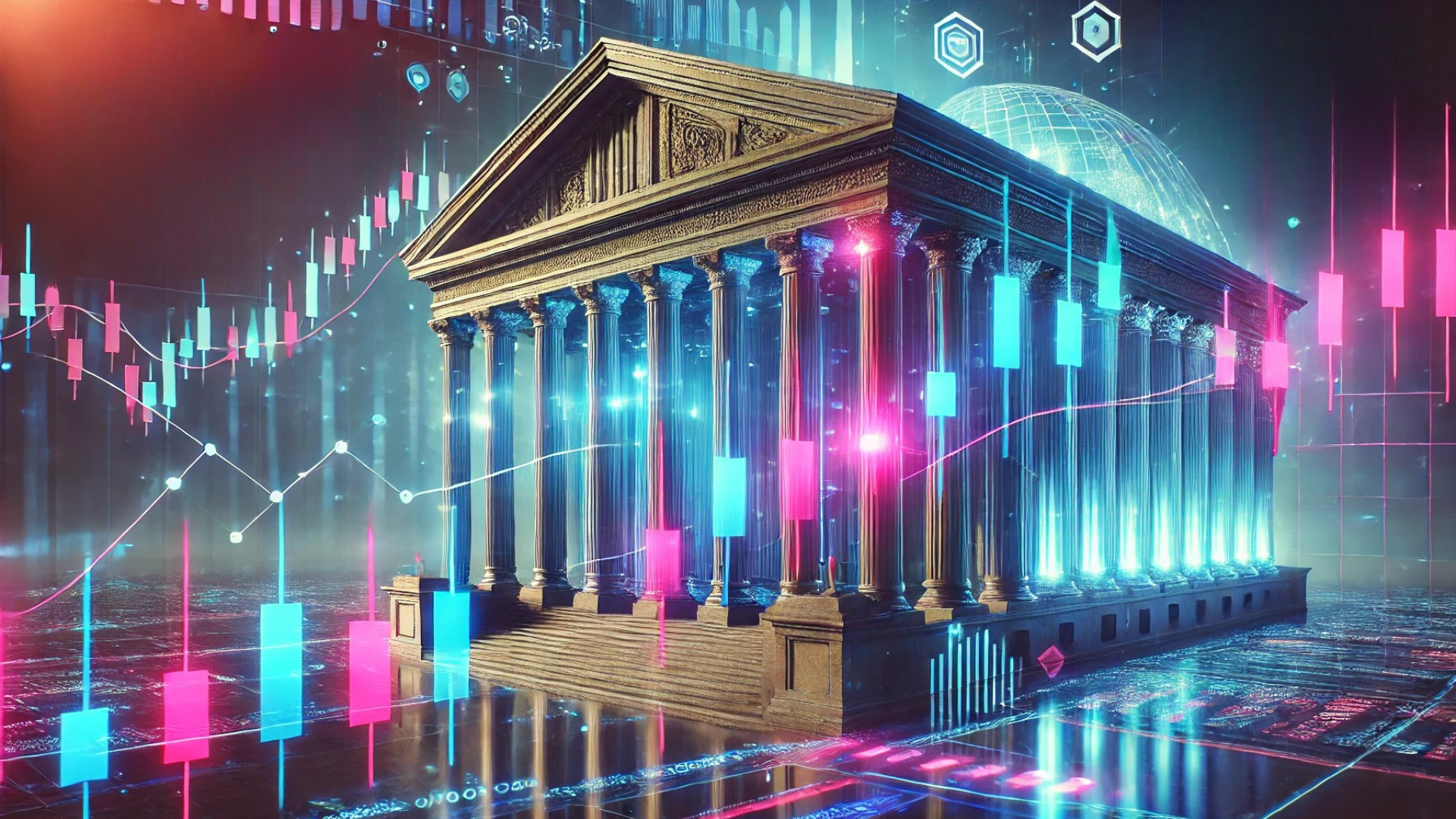
This isn’t about regulatory relaxation it’s about regulatory maturity. A recognition that blockchains aren’t just assets they’re financial infrastructure.
DeFi Is Becoming Institutional-Grade
We’re already seeing the rails of institutional-grade programmable finance forming beneath us:
- Franklin Templeton’s on-chain money market fund has surpassed $762 million in AUM.
- JPMorgan is trialing cross-chain treasury settlements.
- Ondo Finance is working with Mastercard to support 24/7 tokenized treasury access.
- BlackRock’s BUIDL fund has ballooned to nearly $2.9 billion.
But as these institutional experiments scale, the risk isn’t technological it’s regulatory fragmentation. Without coordination, tokenized finance will face the same siloed inefficiencies that crypto was designed to eliminate.
From Regulatory Silos to Global Interoperability
The next leap in programmable finance requires a rethinking of regulation as infrastructure. Just as DeFi protocols prioritize composability, regulators must prioritize policy interoperability.
That doesn’t mean harmonizing every law but it does mean establishing shared principles, such as:
- Recognizing self-custody as a legitimate and secure form of ownership.
- Accepting programmable compliance e.g., smart contracts and zero-knowledge proofs as valid tools for financial reporting and audit trails.
- Creating regulatory sandboxes that let builders prototype under supervision instead of fearing enforcement.
Builders, the Window Is Open
This isn’t the time to sit back. This is a rare moment when regulators are extending a hand and it’s on us, the builders, to respond with transparency, collaboration, and solutions.
We’re already seeing the emergence of compliance middleware that integrates KYC and AML logic without breaking decentralization. Builders can now prototype with ZK-proofs, cross-chain liquidity, and programmable identity layers all while aligning with regulatory objectives.
Don’t wait for perfect clarity. It’s not coming. What’s here, instead, is a signal: the time to build with purpose is now.
Institutions: Look Past the Headlines
If you’re a financial institution, don’t let regulatory noise delay your strategy. Build your digital asset expertise today. Partner with DeFi-native projects. Get comfortable with the tools and infrastructure already live on-chain.
This isn’t a testnet anymore. Programmable finance is in production, and the SEC’s tone shift gives you cover to explore without fear of sudden reprisal.
A New Collaborative Era
The systems we’re building are not just better fintech they are foundational redesigns of financial infrastructure. And now, finally, regulators are starting to speak that language.
This isn’t about compromise it’s about collaboration. If policymakers continue on this path, and if builders and institutions rise to meet them, we have a shot at something truly revolutionary: a global financial system that’s open, programmable, and resilient by design.