

The decentralized dream that once defined the Web3 revolution a vision of open, user-controlled digital economies now finds itself challenged by the very infrastructure meant to power it. Rather than fostering a frictionless, borderless experience, today’s Web3 landscape is a fragmented maze of incompatible chains, wallets, tokens, and protocols.
A growing chorus of developers, researchers, and users is now calling for a decisive shift: interoperability must become the cornerstone of Web3’s evolution, not just a technical ambition but a user experience imperative.
Web3 Fragmentation Is Undermining Adoption
In theory, Web3 promised self-sovereignty. In practice, users juggle multiple wallets, remember numerous seed phrases, and hop across chains just to access DeFi pools or mint NFTs.
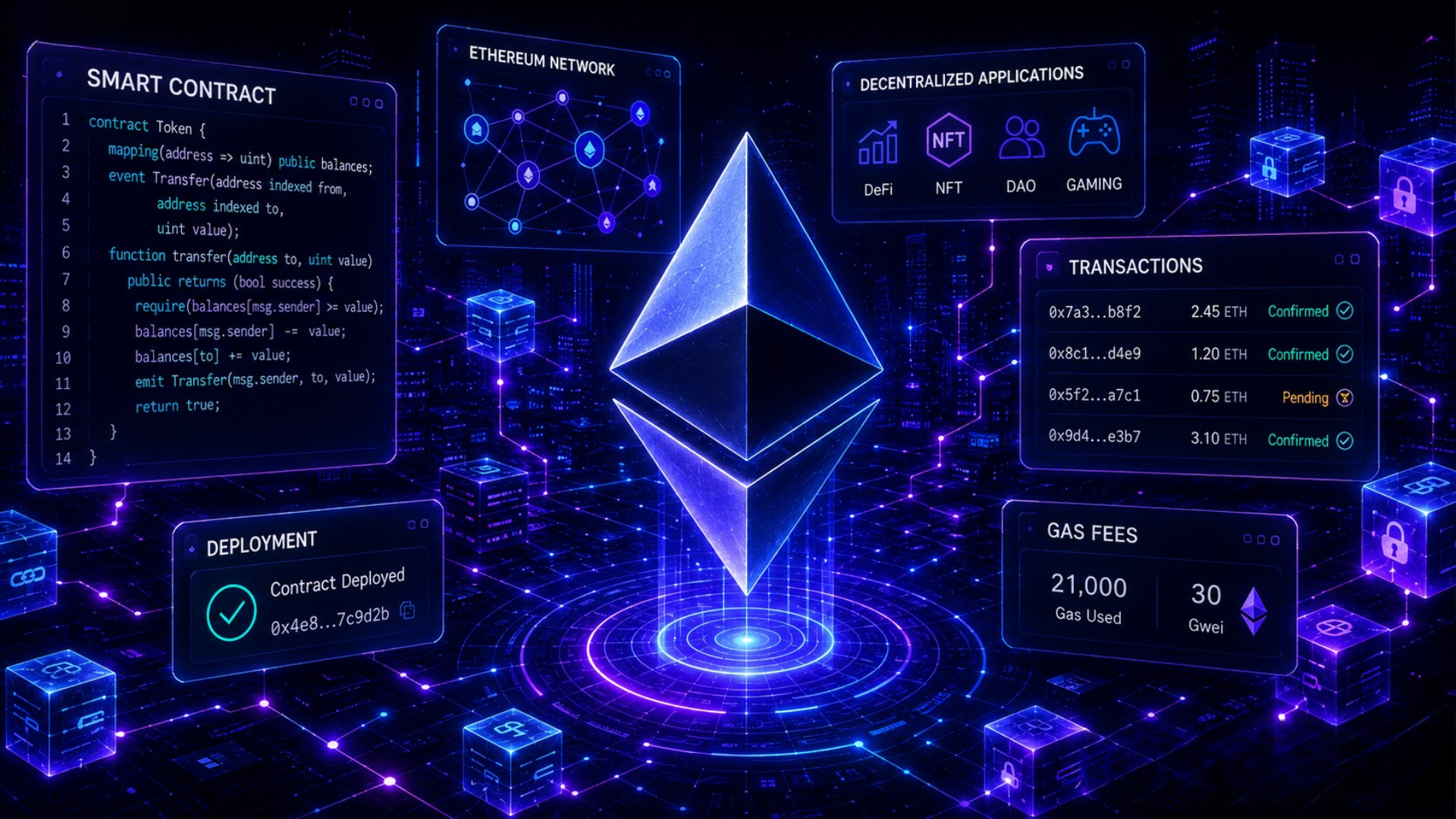
A typical decentralized finance (DeFi) user today might store Bitcoin in a hardware wallet, trade Ethereum tokens through MetaMask, and stake Cardano assets in a separate interface all requiring manual bridging, unique token standards, and different fee mechanisms. Each step increases complexity, dilutes liquidity, and creates security risks.
Worse still, inconsistent technical standards across networks from Ethereum’s hexadecimal address format to Bitcoin’s Base58 create what Galaxy Digital has dubbed “asset fragmentation”: the same token on two chains may behave and trade like entirely different assets, undermining usability and trust.
Transaction Fees: The Silent UX Killer
Beyond user confusion, high and unpredictable transaction fees remain a major hurdle. Cross-chain activity involves multiple layers of fees from execution and gas on the source chain to bridge service fees and destination chain costs.
During peak congestion, swapping ERC-20 tokens on Ethereum can cost over $10. Bridging from Arbitrum to Polygon introduces rollup-specific complexities, including differing wait times and liquidity availability—turning what should be seamless transfers into logistical puzzles.
While Layer-2 networks like Optimism and Arbitrum reduce costs by up to 95%, they too contribute to fragmentation, introducing separate environments with unique rollup architectures.
Hope on the Horizon: Emerging Standards and Protocols
Despite the fractured state of Web3, new initiatives offer a path forward:
- ERC-7930 and ERC-7828 are two emerging Ethereum standards that aim to streamline token interactions and address formatting for interoperability.
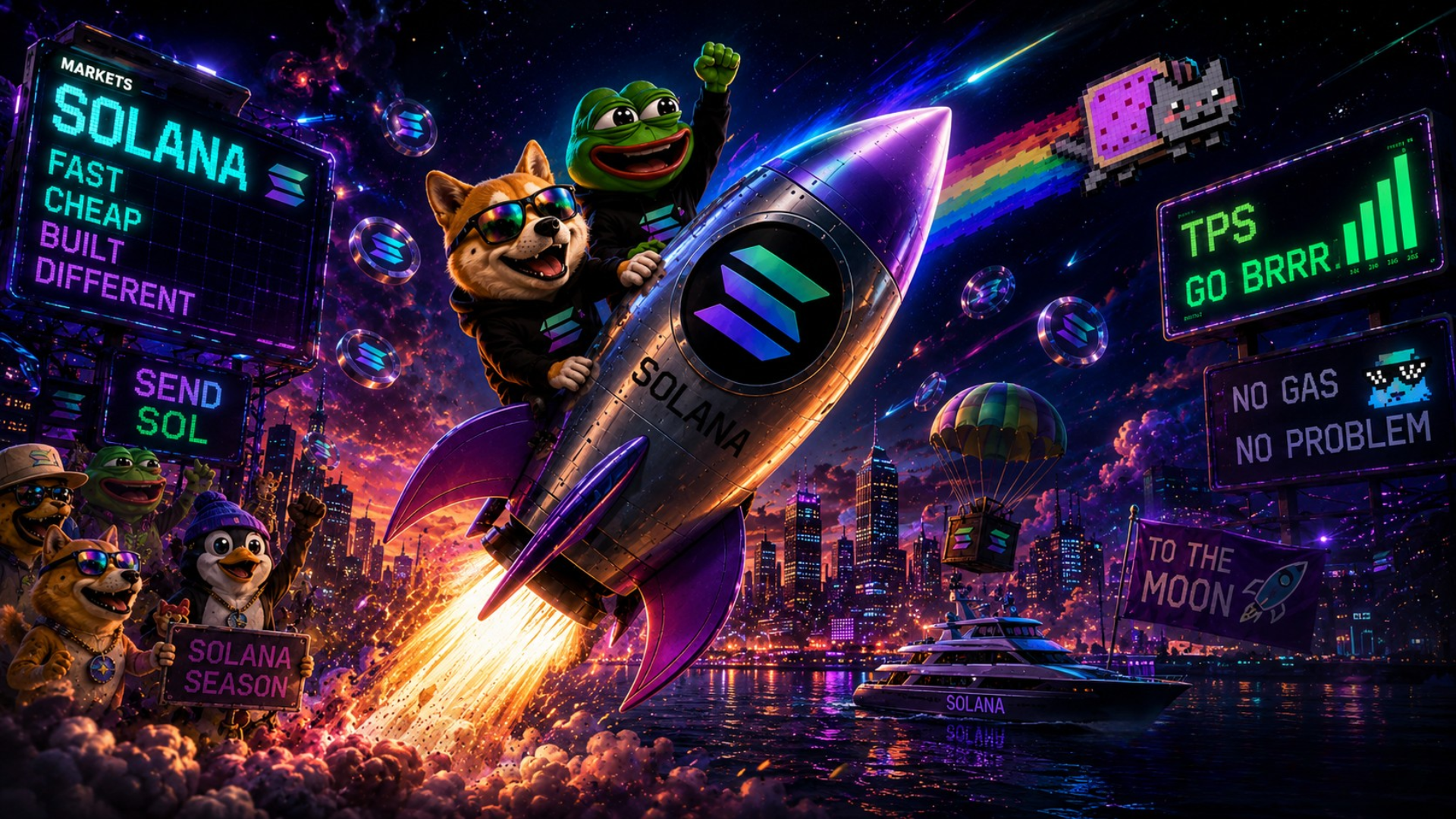
- Solana’s “meta-blockchain” vision proposes unified infrastructure capable of connecting disparate ecosystems.
- AI-driven systems like DeFAI hint at the future of autonomous, chain-agnostic transaction routing.
Together, these tools aim to reduce cognitive and financial friction, laying the groundwork for chain-agnostic DeFi where users interact through a single intuitive interface no matter what chain powers the backend.
Imagine a wallet that automatically selects the lowest-cost route for your transaction, aggregates fees into a single stablecoin payment, and handles bridging all without sacrificing user custody or security.
Security: The Non-Negotiable Pillar
Interoperability must never come at the expense of security. Cross-chain bridges remain one of the most vulnerable components of the Web3 ecosystem. In 2023 alone, bridge exploits led to over $2 billion in losses.
The solution lies in zero-knowledge proofs and cryptographic consensus models that can verify cross-chain events without relying on centralized intermediaries.
Standard-setting bodies like the Linux Foundation’s Decentralized Trust initiative and the Enterprise Ethereum Alliance’s (EEA) DLT Interoperability Specification, led by pioneers like Dr. Weijia Zhang, are driving this forward promoting transparency, composability, and security across chains.
Toward a Unified Web3 Experience
Ultimately, the goal is not just cross-chain transactions but chain-agnostic applications. Users should not need to understand the nuances of rollups, bridges, or token standards. They should simply be able to interact, transact, and build in Web3 with the same ease they experience on Web2 platforms.
To get there, the industry must:
- Embed interoperability into base protocols, not treat it as an afterthought.
- Accelerate standards adoption across ecosystems.
- Push wallet providers, DApps, and infrastructure projects to prioritize seamless UX.
- Commit to collaborative innovation ensuring safety, scalability, and openness remain central pillars.
The Verdict: Interoperate or Stagnate
Just as TCP/IP unified the early internet, interoperability protocols can transform isolated blockchains into a cohesive digital economy. The blueprints already exist the only missing piece is collective commitment.
It’s time to stop building isolated silos and start laying the railroads between them. Only through true interoperability can Web3 scale beyond niche use and deliver on its foundational promise: a decentralized, inclusive, and user-friendly internet for all.