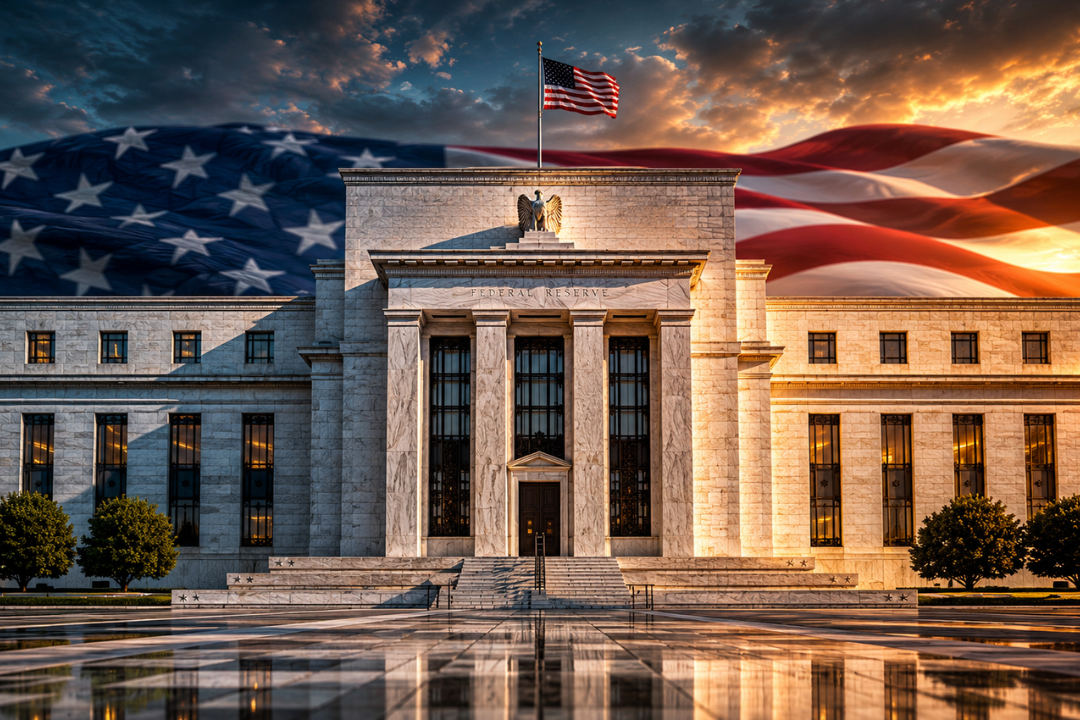


The U.S. Federal Reserve is considering a major policy shift that could redefine how crypto and fintech companies interact with the traditional financial system.
During the Payments Innovation Conference on October 21, Federal Reserve Governor Christopher Waller revealed a proposal to give fintech and crypto platforms direct access to the Fed’s payment rails, ending their dependence on partner banks.
A Step Toward “Skinny Master Accounts”
Waller’s plan introduces what he called “skinny master accounts” a streamlined version of the master accounts currently reserved for licensed banks.
These accounts would grant crypto and fintech companies limited access to the Fed’s core payment infrastructure, including Fedwire and ACH systems, enabling faster settlements and the ability to hold reserves directly with the Fed.
However, these new accounts would still come with restrictions: holders would not earn interest on reserves and would not have access to the Fed’s discount window the emergency borrowing facility available to traditional banks.
Breaking the Dependence on Banks
Until now, fintech and crypto firms have been forced to rely on banking intermediaries to access the U.S. payments system. Many crypto platforms faced “debanking,” where banks refused to work with them due to perceived compliance and risk issues.
If implemented, the skinny master account system could offer a direct line to the Fed’s payment network a development that would reduce operational friction and increase financial inclusion for blockchain-based businesses.
Industry Reaction: A Bridge Between TradFi and DeFi
The proposal is already drawing attention across the crypto industry.
According to Jamie Elkaleh, Chief Marketing Officer at Bitget Wallet, the move could be transformative:
“The Fed could lower operational barriers and unlock billions in tokenized asset flows over the short term,” Elkaleh told crypto.news.
“Over time, enhanced stablecoin utility for seamless U.S. payments may reshape financial market structures toward hybrid TradFi–DeFi ecosystems.”
Analysts suggest the move could particularly benefit stablecoin issuers, allowing them to manage reserves and settlements directly with the Fed a step that could stabilize operations and reduce reliance on commercial banking partners.
The Bigger Picture
If approved, this initiative would mark one of the most significant integrations of crypto firms into the U.S. financial backbone to date.
While the accounts would be limited in scope, the change could pave the way for a more open, interoperable financial infrastructure, bridging the gap between decentralized finance (DeFi) and traditional finance (TradFi).
Still, regulatory and political scrutiny remains a hurdle especially as the Fed balances innovation with financial stability and risk oversight.
Summary
The Federal Reserve’s “skinny master account” proposal could finally end crypto’s dependence on partner banks.
By opening payment rails directly to fintech and blockchain companies, the Fed may unlock new efficiency, reduce systemic bottlenecks, and usher in a more integrated digital-asset economy even if the path forward remains cautious.