

While headlines often highlight countries taking progressive legal steps to embrace cryptocurrencies, the reality on the ground is more complex and in many regions, far more restrictive. On July 14, 2025, Hungary took a sharp turn away from the pro-crypto trend, enacting a new law that criminalizes unauthorized crypto trading. And it’s not alone. Several governments across the globe are actively narrowing the legal space for crypto, reinforcing a stark divide in global policy.
Hungary’s Sudden Crackdown
Hungary’s move stunned the crypto community. Seemingly out of step with the broader European approach to digital assets, the country made trading on unlicensed platforms a criminal offense. Offenders now face years in prison depending on the volume of their transactions.
Providing unlicensed crypto services is also punishable, forcing major platforms to withdraw from the Hungarian market and leaving millions of users scrambling for alternatives. What’s even more troubling is the fear that past transactions could be retroactively prosecuted, creating widespread uncertainty. The country’s financial regulator has yet to release clear compliance guidelines, adding to the anxiety.
Russia: Encouragement and Confusion
Russia’s stance remains murky. For years, crypto had no legal standing branded as illegal “money surrogates.” Then came a pivot in 2022, with hints of pro-crypto legislation. Despite these gestures, crypto remains largely in a legal gray area, with many platforms still blocked.
President Putin has publicly encouraged the use of crypto in international trade to sidestep sanctions, and Russia is a major player in global Bitcoin mining. But at home, crypto users face tighter controls. In 2025, the central bank proposed legislation allowing only “qualified traders” to access crypto, a move that would limit access for the broader public. Meanwhile, the launch of the digital ruble has been postponed.
China: Quiet Signals of a Shift?
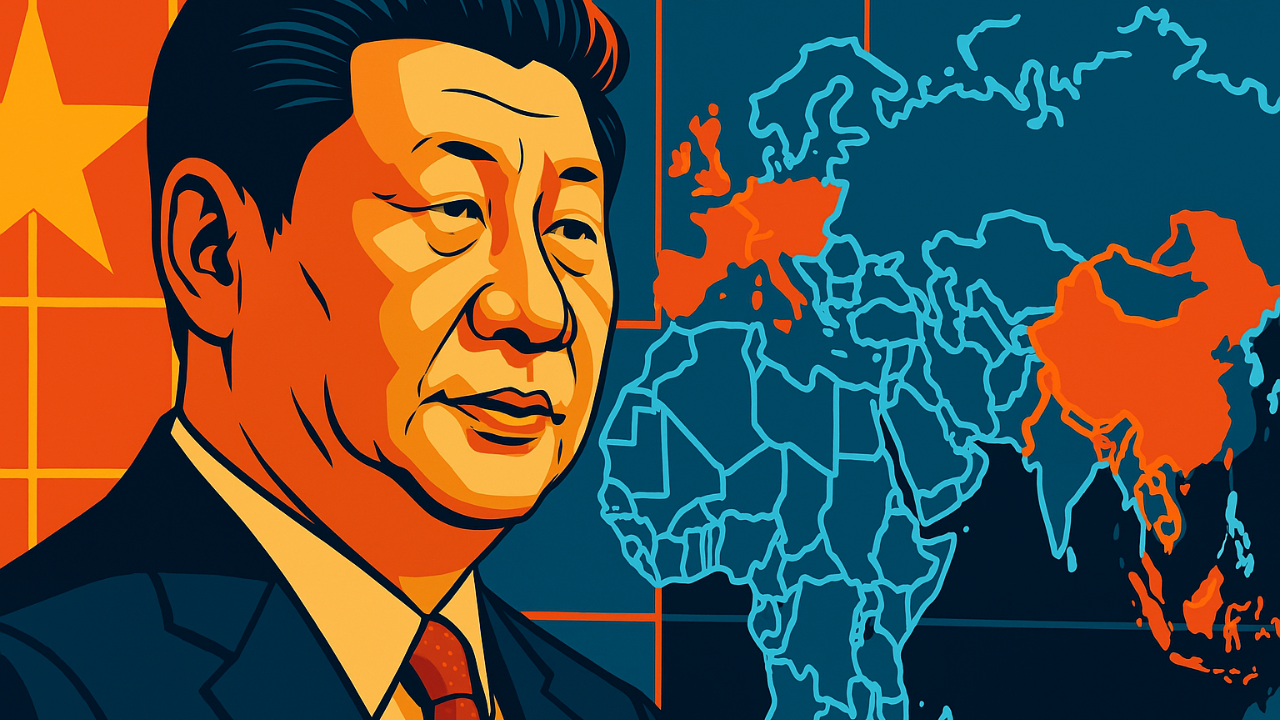
Once a crypto powerhouse, China has become one of the harshest environments for digital assets. Over the years, it has banned financial institutions from handling crypto, shut down exchanges, and outlawed mining altogether. These moves triggered mass exits from the country’s once-thriving crypto scene.
However, 2025 has brought whispers of change. Rumors suggest the Chinese government may be softening its stance driven partly by the rising influence of stablecoins. While there’s no official reversal yet, observers believe China might eventually make space for digital assets, even as it prioritizes the development of its own digital yuan.
Turkey: Tightening the Reins on Crypto Users
In Turkey, the government’s opposition to crypto has grown fiercer in 2025. Originally triggered by the collapse of the Turkish lira, crypto adoption surged prompting the state to step in. Following a 2021 ban on crypto payments, the government has since intensified its efforts to control the flow of money.
New regulations will require users to explain the purpose of each crypto transaction in writing. Platforms must now delay withdrawals by 48–72 hours. Stablecoin usage is capped at $3,000 per day or $50,000 monthly. Additionally, decentralized exchanges like PancakeSwap have been banned altogether.
Nepal: Zero Tolerance
Nepal has maintained a total crypto ban since 2018 and has enforced it aggressively. Between 2022 and 2025, over 50 people were arrested for peer-to-peer trading. Authorities continue to monitor banks and financial institutions to prevent crypto usage, although underground adoption persists.
Afghanistan: Ban Under New Rule
Afghanistan also took a hardline stance. After the Taliban took control in 2022, all crypto activity was labeled fraudulent and banned outright. Prior to that, the country had a growing crypto scene, with around 20 local firms involved in digital assets. These businesses were promptly shuttered.
A Divided Landscape
The global response to crypto remains far from unified. Many countries reacted to the 2018 crash and ICO bubble with outright bans, driven by fear and financial instability. Some have since pivoted to a more nuanced approach, seeking to regulate rather than eliminate. Others remain resistant, enforcing harsh penalties even as demand persists.
Despite the restrictions, people in these regions continue to use crypto, often at personal risk. Their persistence highlights an important truth: the demand for decentralized finance remains strong, even where the law tries to suppress it. And that, perhaps, says more about crypto’s real-world utility than any regulation ever could.