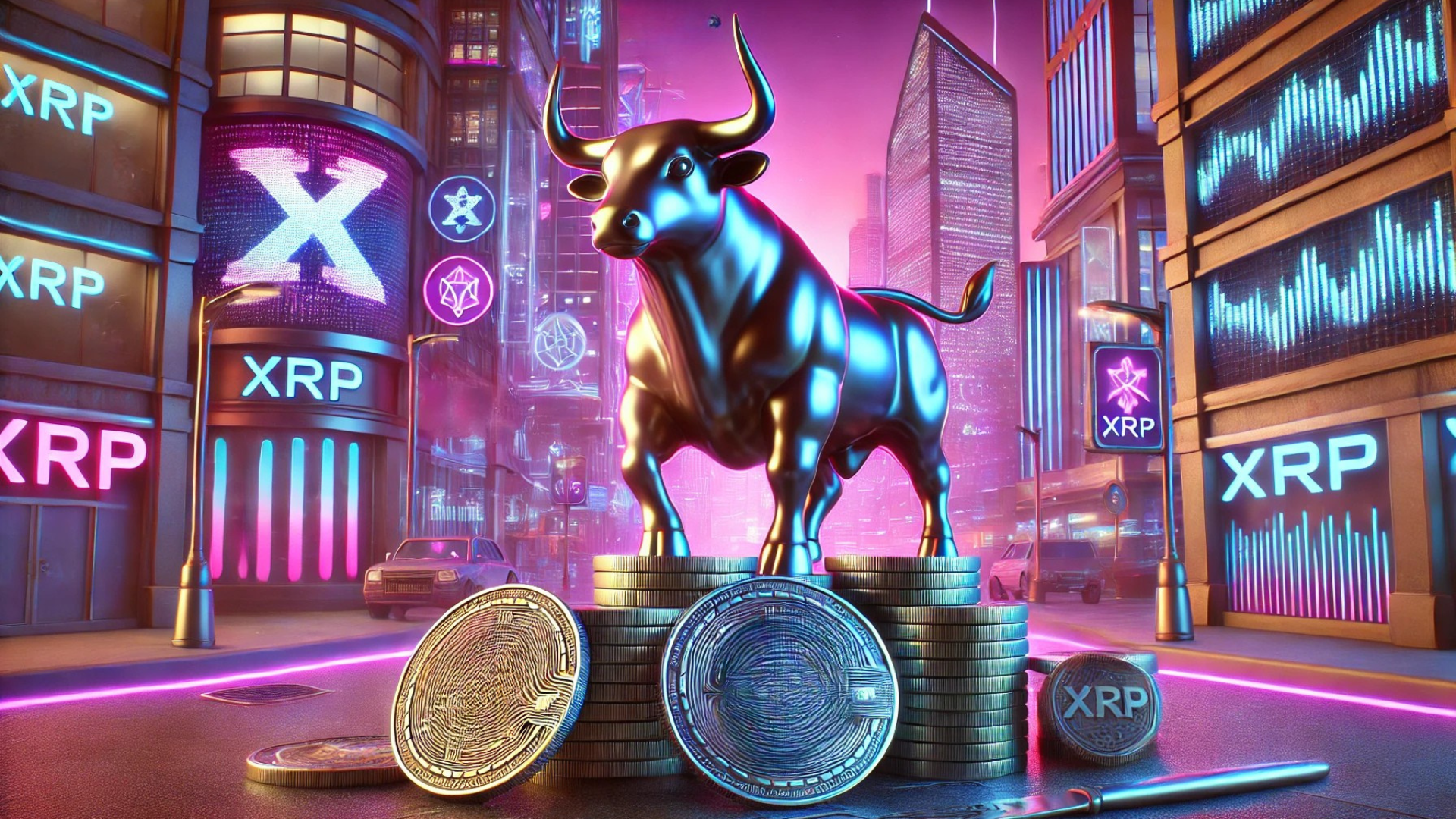


In early December, activity on the XRP Ledger quietly hit a major milestone. A key metric called velocity which tracks how quickly XRP moves across the network spiked to its highest level of the year.
That jump in on-chain activity lined up with a rebound in XRP’s price, hinting that both retail traders and big players were stepping back into the market. Historically, higher XRP velocity has been linked to more spot trading and greater use of Ripple’s on-demand liquidity (ODL) product for cross-border payments. Some analysts even believe current network patterns could support a potential 16% upside move for XRP, though the overall market remains highly volatile.
Ripple’s $500M Deal: Big Money, Careful Terms
All of this is happening against the backdrop of a major corporate move by Ripple itself.
In November, the company raised $500 million through a share sale, bringing in heavyweight backers such as Citadel Securities and Fortress Investment Group. The deal valued Ripple at around $40 billion, a striking figure given the sector’s ups and downs over the past few years.
But this wasn’t a typical high-growth tech deal. The structure was built with safeguards for investors, reflecting how cautious traditional finance still is about crypto risk. Key protections reportedly included:
- A put option allowing investors to sell shares back to Ripple at a guaranteed return
- Preferential treatment in the event of a major event like a sale or bankruptcy
In other words, Wall Street wants exposure to crypto but on its own terms.
A Valuation Tied to XRP
Despite the diversification story, Ripple’s valuation still leans heavily on XRP.
According to funds involved in the deal, at least 90% of Ripple’s net asset value is linked to its XRP holdings, Bloomberg reports. As of July, those holdings were valued at around $124 billion, much of it locked and released gradually over time.
Since mid-July, XRP’s price has dropped more than 40%, putting pressure on the token side of Ripple’s balance sheet. Yet the company continues to signal broader ambitions, including its $1.25 billion acquisition of prime brokerage Hidden Road, a move that pushes Ripple deeper into institutional-grade financial infrastructure.
That combination a token-driven valuation plus strategic acquisitions in traditional-style finance is exactly what makes this moment such a double-edged sword for the future of XRP and the wider crypto market.
TradFi Learns to Price Crypto Risk
The Ripple deal also shows how traditional finance (TradFi) is evolving in its approach to digital assets.
Features like guaranteed-return put options aren’t common in fast-growing tech or fintech deals. Here, they act as a buffer against the kind of violent price swings that have become synonymous with crypto. They send a clear message: institutions want upside, but they’re not willing to take unhedged exposure the way early crypto-native investors did.
Even with XRP’s recent pullback, Ripple’s huge stash of tokens remains central to how investors value the company. However, as Ripple:
- Builds out payment infrastructure
- Invests in acquisitions like Hidden Road
- Expands into more traditional financial services
…there’s a real possibility that XRP’s share of the company’s overall value gradually drops over time.
A Double-Edged Future for XRP and Crypto
Put together, the picture is nuanced:
- Bullish signals:
- XRP’s network velocity is rising, pointing to real usage and trading activity.
- Ripple secured $500 million from major institutional players at a $40 billion valuation, showing crypto is far from being ignored by Wall Street.
- Risk factors:
- Ripple’s valuation is still heavily dependent on XRP, making it vulnerable to sharp price moves.
- Investor protections built into the deal highlight ongoing doubts about long-term stability in the sector.
As XRP’s on-chain activity accelerates and Ripple deepens its push into institutional finance, the relationship between the company and its native token is becoming even more important and more complex.
For the broader crypto market, Ripple’s story is a preview of what’s coming: more institutional money, more sophisticated deal structures, and a constant tension between high growth potential and equally high risk.